

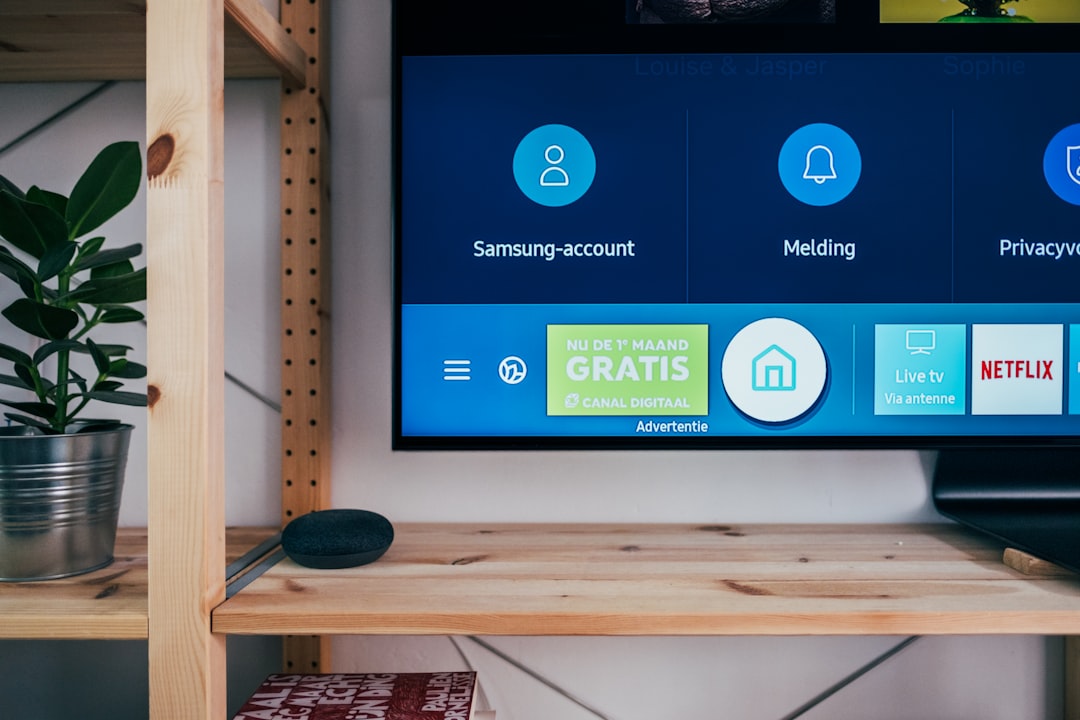
Selecting the ideal television has become a sophisticated venture, especially with the plethora of models and brands vying for consumer attention. As of July 2025, the technology world is buzzing with the latest advances in display quality, smart features, and interactive capabilities.
To truly appreciate the advancements in TV technology, one must consider the latest models that not only promise exquisite visuals but also redefine the viewer’s experience with seamless integration of AI and other smart technologies.
When it comes to display quality, OLED and QLED technologies have taken center stage. OLED TVs offer remarkable picture quality with deep blacks and vibrant colors, thanks to their ability to switch off individual pixels completely. This results in a near-infinite contrast ratio that faithfully reproduces every scene as intended by filmmakers.
Meanwhile, QLEDs, backed by Samsung’s quantum dot technology, are not far behind, offering higher brightness levels, making them excellent for well-lit rooms. These sets are known for their color accuracy and longevity, making them a suitable choice for varied viewing conditions.
What’s truly revolutionary in 2025 is the level of AI integration in smart TVs. AI is now powering more intuitive interfaces, personalized content recommendations, and even adaptive sound and picture settings. Picture enhancements through real-time scene analysis is no longer a futuristic concept but a reality in many top-tier models.
With voice recognition capabilities, communication between the viewer and TV has transformed into a dynamic interaction. Virtual assistants like Alexa, Google Assistant, and Bixby are becoming staples, allowing users to control not just the TV but also other smart devices in their home, making the TV a central hub in a connected lifestyle.
In terms of smart functionality, the seamless integration of streaming services via improved UX has significantly elevated user convenience. This year, TVs have become even more central to home entertainment, often replacing traditional setups with their ability to perform as comprehensive media centers.
For gamers, the latest TVs boast impressive gaming modes, including features like low input lag and Variable Refresh Rate (VRR) support, crucial for a fluid gaming experience. HDMI 2.1 compatibility is now a standard feature in high-end models, catering to the demands of the latest gaming consoles and achieving high resolutions and frame rates.
Energy efficiency continues to be a critical consideration for many buyers, and manufacturers are responding by designing models that are as energy-efficient as they are feature-rich. This involves not only using energy-saving components but also offering modes that reduce consumption without compromising on picture quality during operation.
Notable models this year include LG’s latest OLED line-up, acclaimed for their slim designs and outstanding picture clarity, and Samsung’s advance in Neo QLED technology with enhanced brightness and a sleeker design profile. Another strong contender is Sony’s Bravia series, which continues to push the envelope with its Acoustic Surface Audio+ technology, dispersing sound from the entire screen.
As consumers seek TV models that deliver both cutting-edge performance and value for money, it’s evident that the industry is responding with innovations that cater to evolving preferences and demands. Whether you’re a tech enthusiast or a casual viewer, selecting the right TV in 2025 is about balancing technological excellence with personal entertainment needs.
Smart Life
Best TVs Weve Tested













Leave a Reply