

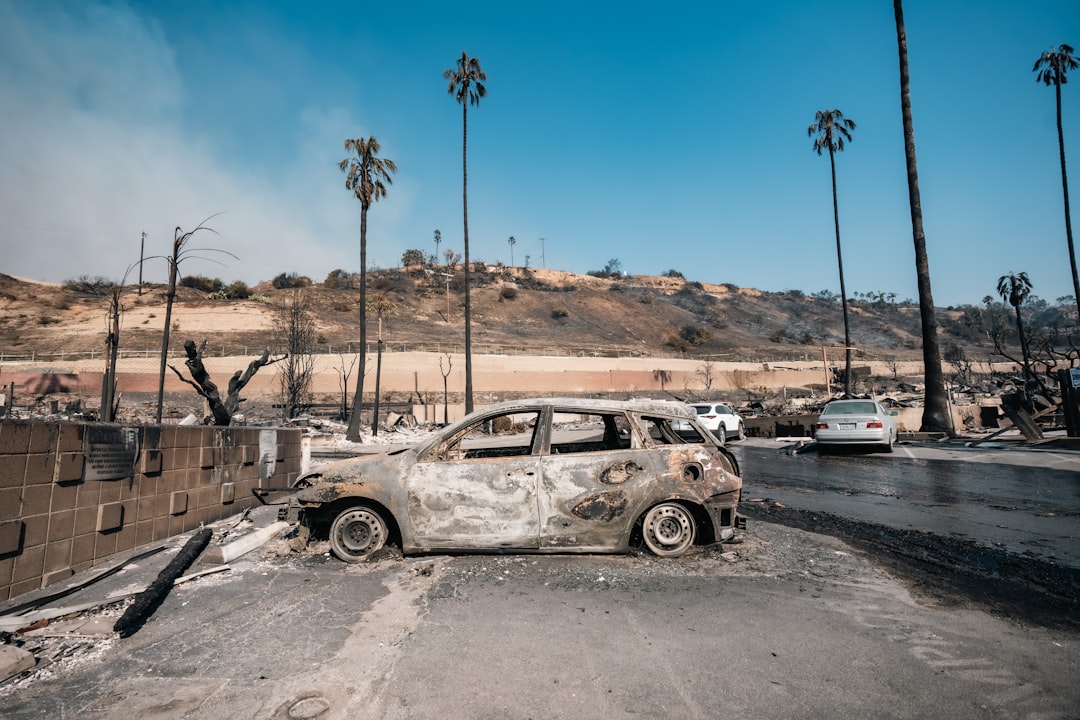
Since the ferocious wildfires that swept through Los Angeles, the process of rebuilding has been a beacon of hope for many residents. Yet, hope is intermingled with mounting frustration as the reconstruction process is bogged down by a myriad of challenges and obstacles. Multiple factors, including bureaucratic stumbles, resource scarcity, and the inherent complexity of modern infrastructures, are significantly impeding progress.
For homeowners and businesses alike, the anticipation of reconstructing what was lost is a process marred by uncertainty. Government bodies face immense pressure as red tape and administrative blockages slow proceedings to a crawl. The permit application procedures, which are supposed to streamline rebuilding efforts, instead become bottlenecks, further frustrating those eager to restore their homes and communities.
Advancements in building technologies and the requisite compliance with ever-evolving safety and environmental regulations add layers of complexity to the reconstruction processes. While these regulations aim to prevent future disasters, they increase the timeline and cost of rebuilding. Emerging technologies promise more resilient structures, but integrating them with traditional building practices proves challenging for contractors and developers, who must adapt to new methodologies and materials.
The shortage of skilled labor exacerbates these delays further. Skilled craftsmen and laborers are in high demand and low supply, leading to intensified competition among construction companies and soaring labor costs. As California aims to adhere to rigorous environmental standards while rebuilding, finding labor that meets both environmental and safety standards proves to be another hurdle.
Another significant factor is the availability of resources. The sustained demand for construction supplies — wood, steel, and modern eco-materials — results in supply chain bottlenecks. The global pandemic’s aftermath continues to linger, having previously disrupted worldwide supply chains and exacerbated shortages of essential materials. Suppliers work tirelessly to fulfill the backlogged orders, yet, the equilibrium between supply and demand remains elusive.
Insurance processes and financial constraints add to the complications. Navigating the insurance milieu post-catastrophe is a test of patience and resilience for many property owners. Often entangled in disputes regarding coverage definitions and reimbursement amounts, delays in payouts impede the swift commencement of rebuilding efforts. Furthermore, the financial burden upon state and local authorities is significant. They are tasked with supporting these initiatives while juggling budgets and allocations to repair public utilities and infrastructure.
Communities, however, remain resilient, galvanized by local initiatives and volunteer support. Grassroots movements play a crucial role in revitalizing fire-affected areas. Local communities coming together to restore shared spaces manifest a sense of collective rebuilding and resilience. Volunteer groups and NGOs align efforts and resources to assist those unable to manage alone, particularly vulnerable populations, until comprehensive state support is realized.
New programs and public-private partnerships arise, focusing on harnessing technology and data analytics to preempt and mitigate future fire risks. Innovative solutions, such as enhancing early warning systems and deploying drones for aerial inspections, offer forward-thinking approaches in disaster management and rebuilding efforts. These initiatives, although still in infancy, propose a brighter, more prepared future.
The road to recovery in Los Angeles is a marathon, not a sprint. Aided by proactive planning and community togetherness, the city strives not only to restore what has been lost but to build resilient, future-ready infrastructures. It is a complex journey requiring community engagement, adaptability, and strategic planning while embracing innovative technologies.
In the heart of adversity, Los Angeles serves as a reminder of the arduous process and resilience involved in rebuilding a city better prepared for future calamities. It is a demanding challenge that epitomizes the complexities of modern urban reconstruction but also highlights extraordinary human spirit and tech-driven solutions paving the way to a safer horizon.
Smart Life
LA Wildfires











Leave a Reply