

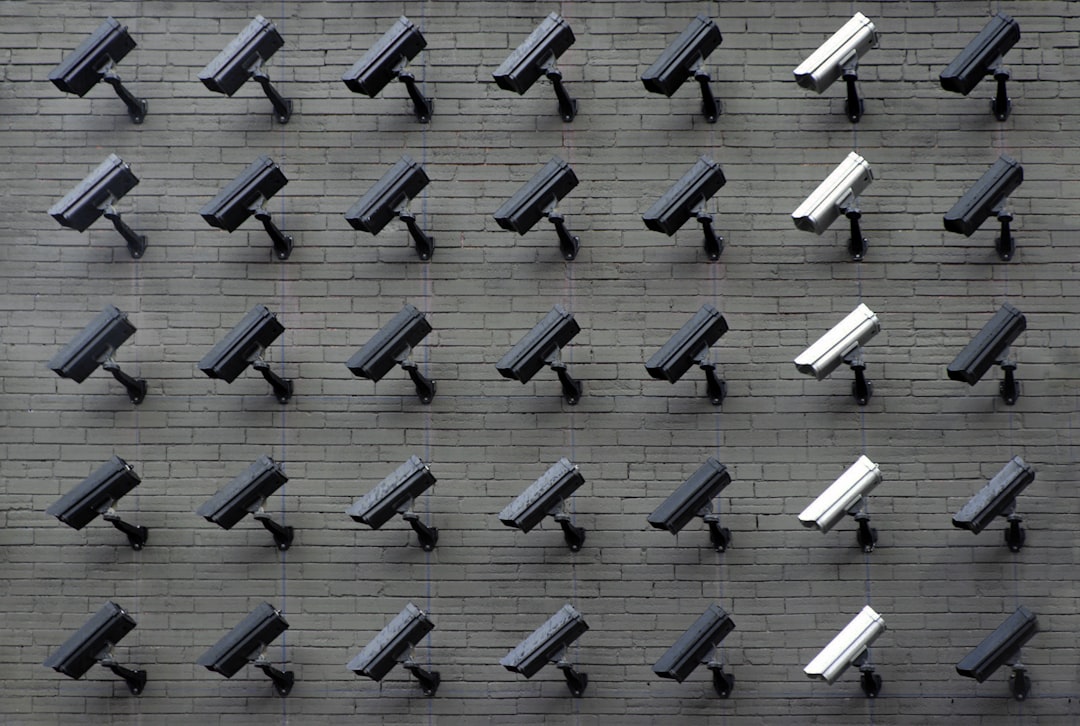
With the advent of digital technology, the landscape of global security has transformed dramatically. In today’s interconnected world, digital security is no longer a peripheral concern but a fundamental pillar that sustains national and individual sovereignty. Particularly in regions governed by authoritarian regimes, digital security has emerged as both a tool of empowerment and a weapon of control.
In many parts of the world, authoritarian governments have seized upon the capabilities offered by digital platforms to monitor and manage public sentiment. This has created a complex digital battleground, where the rights of individuals often clash with the interests of state machinery.
The Role of Digital Security in Modern Governance.
Digital security plays a pivotal role in modern governance models. For authoritarian regimes, maintaining power often hinges on controlling information flow, both within the country and into the outside world. Digital platforms, thus, become a double-edged sword. On one hand, they facilitate government surveillance, censorship, and manipulation of narratives. On the other hand, these same platforms provide tools for citizens to organize, communicate, and challenge regimes.
Technological tools such as spyware, hacking software, and advanced data analytics allow authoritarian governments to keep an unprecedented level of scrutiny over their citizens. The irony lies in the very nature of digital security — tools designed to protect privacy and secure communications are often manipulated to bolster surveillance and control.
Conversely, these digital landscapes also offer unforeseen opportunities for dissent and resistance. Cyber dissidents leverage encryption, VPN services, and anonymous networks like TOR to evade state surveillance and organize collectively.
The Ambiguous Role of Technology Corporations.
Technology corporations operating in repressive regions face a moral and strategic dilemma. While expanding their markets in countries led by authoritarian regimes can yield substantial financial rewards, it also entails navigating complex ethical landscapes. These corporations must strike a balance between adhering to local laws, which may include cooperating with governmental surveillance efforts, and protecting user privacy and freedoms.
Some tech companies have adopted transparent operational policies and pushed back against unreasonable government demands, advocating for human rights and freedom of expression. However, instances where corporations have compromised or collaborated with authoritarian governments to maintain access to markets are not rare.
International Response and Collaborative Efforts.
International bodies and civil societies have recognized the gravity of digital security concerns in authoritarian contexts. There are efforts to promote global digital rights, comprising coalitions focused on lobbying for stronger legal frameworks to protect privacy and counter unwarranted intrusion. Multilateral agreements aim at establishing norms in digital surveillance and the equitable use of cybersecurity technologies.
In response to these digital security threats, there are also developing partnerships between tech companies, NGOs, and governments committed to promoting digital freedom. These collaborations focus on offering secure communication tools and safeguarding vulnerable activists and dissidents from digital oppression.
Challenges and Future Prospects.
The future of digital security in the context of authoritarian rule holds significant challenges, not least due to the rapid technological advancements constantly reshaping the possibilities of surveillance and control. As artificial intelligence and machine learning evolve, their potential to intensify surveillance expands, necessitating more robust countermeasures and innovations in digital security.
Global awareness and understanding of these trends are crucial in crafting an effective international response. Building resilient infrastructure, promoting digital literacy, and enforcing stricter regulations on data privacy are essential steps towards mitigating these challenges.
As the global community maneuvers these complexities, decisive leadership and unwavering commitment to upholding international digital rights standards will define the future of digital security in the age of dictatorship.
Cyber Security
The Promise and Peril of Digital Security in the Age of Dictatorship















Leave a Reply