

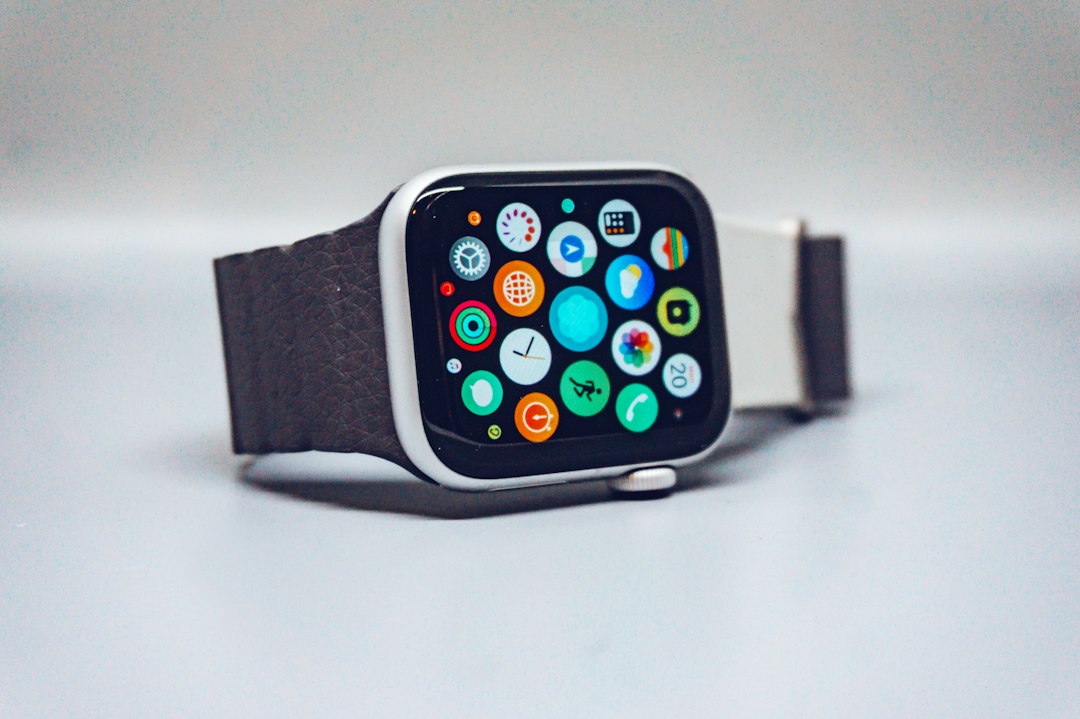
**Apple, the tech giant known for its innovation, has once again sent a ripple through the tech world by announcing that its second-generation Apple Watch is to be classified as ‘obsolete’.** This term, though it may sound simple, denotes a significant transition for the beloved wearable gadget. The term ‘obsolete’ in Apple’s terminology is not merely symbolic; it has very specific implications that affect users who continue to utilize these older devices.
The second-generation Apple Watch, often referred to as Series 2, was a notable upgrade at its time of release, bringing features like a built-in GPS, better waterproofing, and a brighter display compared to its predecessor. However, in the fast-paced world of technology, even groundbreaking devices eventually reach the end of their support lifecycle.
Apple’s policy dictates that products older than seven years are classified as obsolete, meaning they no longer receive hardware service, including repair and parts replacement, from Apple’s authorized service providers. This also tendentially points towards the absence of security and software updates, which could prompt users to face reliability and security initiatives without Apple’s dedicated support.
For tech enthusiasts and loyal users of the Series 2, this might be a call to consider upgrading to a newer model. The transition from a status of active support to obsolescence nudges towards the advancements in technology that Apple continuously brings, pushing the envelope with each iteration of its devices. Newer models offer enhanced health tracking capabilities, improved connectivity, and overall better integration with other Apple services and products.
Obsolescence is not purely a negative transition; it often marks the dawn of a new era of innovation. As Apple Watch users face this change, they can look forward to exploring the currently available models that boast features like blood oxygen monitoring, ECG support, and larger, always-on displays. These advancements are crucial in keeping users engaged and ensuring their technology remains cutting-edge.
From a broader perspective, Apple’s decision to mark the second-generation Apple Watch as obsolete underscores the company’s forward-looking approach. It highlights the continuous evolution of wearable technology, nudging consumers to stay updated and adapt to technologies that truly enhance daily living. As the Apple Watch Series 2 steps away from the limelight, its legacy as a stepping stone towards advanced wearables remains.
Smart Life
Apple Watch






Leave a Reply