

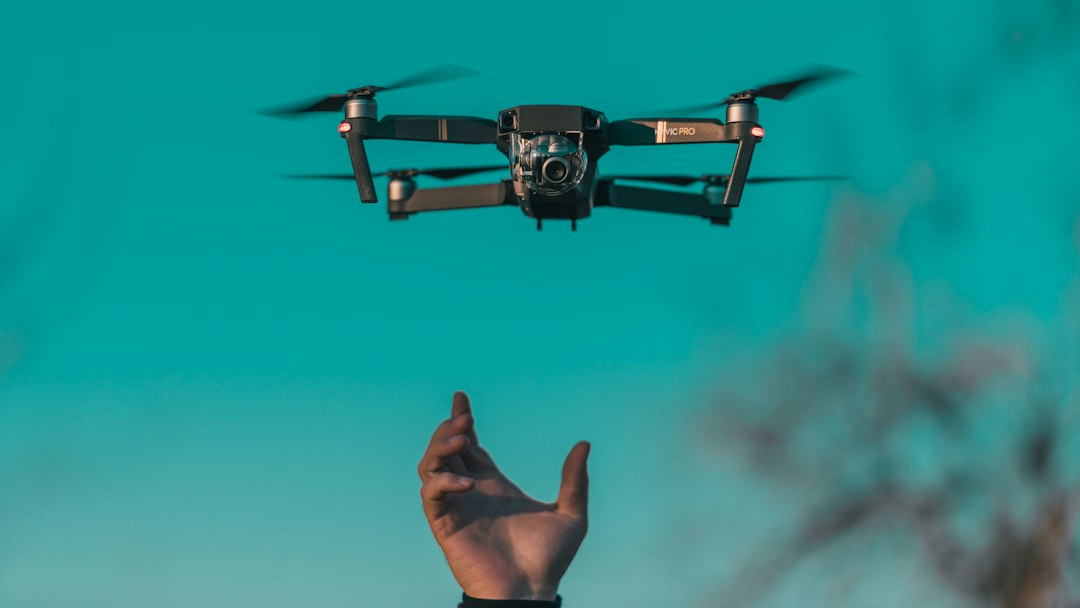
**The drone industry stands at the cusp of a significant breakthrough, all hinging on one crucial federal regulation.** This regulation could unleash unprecedented potential within the sector, offering a new trajectory for drone technology and its myriad applications. Early adoption enthusiasts and cautious industry players alike are eyeing the impending decision, which promises to reshape the operational landscape of drones across various sectors.
The crux of this awaited regulation lies in expanding the operational envelope of drones, specifically concerning Beyond Visual Line of Sight (BVLOS) operations. Unlike current regulations that restrict drones to operate within the visual field of the pilot, BVLOS regulation would allow drones to navigate and perform tasks autonomously over longer distances. This capability is critical for a broad range of applications, from commercial deliveries and agricultural monitoring to infrastructure inspection and emergency response.
Imagine drones autonomously delivering packages across urban landscapes, efficiently covering distances without the constant supervision of a pilot. This vision inches closer to reality with the BVLOS regulatory framework. By enabling drones to operate beyond visual boundaries, the technology becomes more viable for widespread commercial deployments, promising a future where drone-based solutions are commonplace.
The anticipated regulation is expected to address several technical and safety considerations, emphasizing risk mitigation techniques that could include advanced detect-and-avoid systems and reliable data communication protocols. These advancements would ensure that drones can safely navigate complex environments, interact seamlessly with manned aircraft, and respond appropriately to unexpected scenarios.
Another pivotal aspect of the proposed regulation is public acceptance. As drones fly closer to private spaces and traverse public areas, addressing privacy concerns and ensuring the safety of individuals on the ground is paramount. Crafting a regulatory framework that balances operational freedom with public safety and privacy will be essential to gaining the public’s trust and facilitating the large-scale deployment of drones.
The deployment of BVLOS-capable drones is anticipated to unlock vast economic potential. Industries such as logistics, agriculture, real estate, and media production stand to benefit immensely from cost reductions and efficiency improvements. Delivering goods more quickly, monitoring crops remotely, inspecting construction sites, or capturing breathtaking aerial footage are just a few examples of how drones could transform business operations.
Moreover, the regulation could spur innovation within the drone technology sector itself. Manufacturers and software developers will need to innovate to meet the demands of new operational standards, fostering advancements in areas like AI for autonomous navigation, sensor technology, and battery efficiency.
As these opportunities unfold, a regulatory shift of this magnitude also holds the potential to catalyze job creation, not only in direct drone operations and manufacturing but also in ancillary fields such as drone maintenance, regulatory compliance, and training.
Smart Life
The Drone Industry













Leave a Reply