

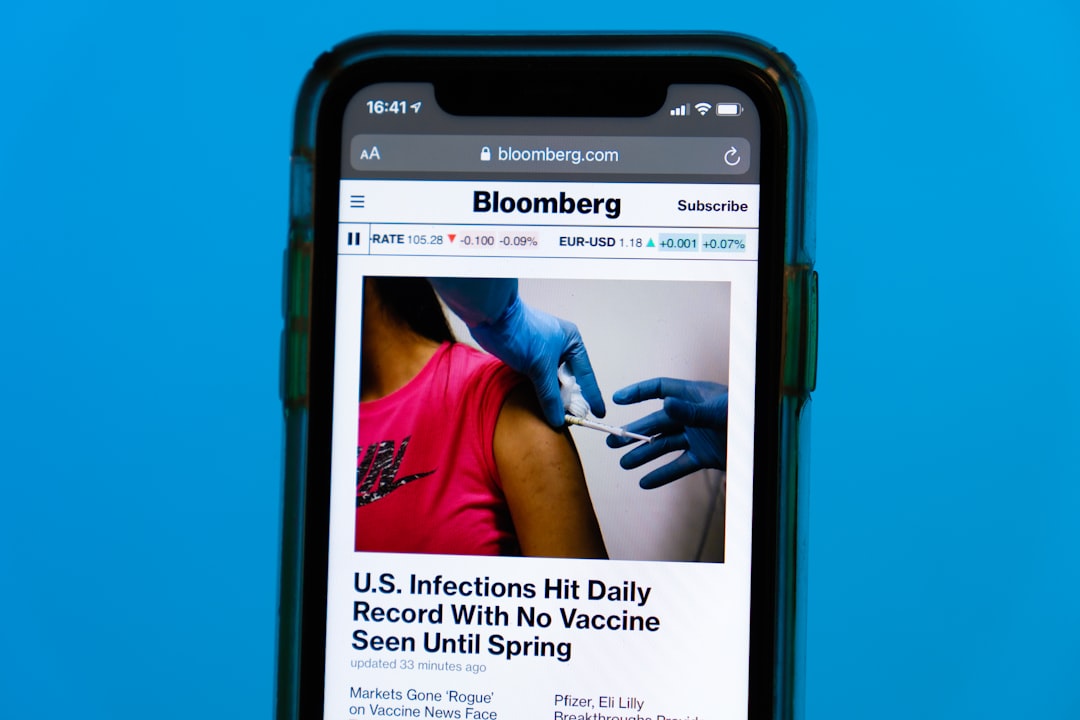
In recent months, the spotlight has been on vaccine distribution across the United States, as the nation grapples with ongoing public health challenges. **Certain states are taking significant steps to safeguard access to critical vaccines, ensuring the health and well-being of their residents remain a top priority.**
As debates on public health policies persist, some states are implementing new legislative measures in response to potential federal changes. These actions include the development of regulations which ensure that vaccines, including those for childhood diseases such as measles, mumps, and rubella, remain accessible to all citizens, even amidst growing anti-vaccine sentiments and potential supply shortages.
The motivations behind these actions are multi-faceted. Health officials are concerned about potential setbacks in vaccination rates, an aspect critical for maintaining herd immunity. Declining vaccination rates pose a risk not only to individuals who remain unvaccinated but also to community health structures at large. The introduction of protective measures serves as a reassurance that vaccines will not become a victim to political or ideological battles.
Moreover, these proactive measures reflect an understanding of the importance of public trust in health systems. Public health campaigns at state levels aim to reinforce the safety and necessity of vaccines, countering misinformation and encouraging compliance with vaccination schedules. Providing clear, factual information is essential for ensuring community adherence and cooperation.
In some states, legislative proposals focus not just on access but on the affordability of vaccines. These proposals aim to ensure that cost does not become a barrier for families and individuals in receiving necessary immunizations. This holistic approach acknowledges the socio-economic challenges that can affect public health outcomes and attempts to mitigate these through inclusive policy frameworks.
Education is also a critical component. School systems play an instrumental role, with many states actively working to embed vaccine education into school curriculums. By integrating discussions around vaccine benefits and safety in educational settings, there is hope that future generations will grow with a solid understanding and trust in public health protocols.
As policies are debated and refined, advocates emphasize the need for bipartisan support to amplify the success of these measures. Vaccination is a universal health issue that transcends political affiliations. Ensuring its status as an accessible public service is crucial for the health resilience of communities.
These state-led efforts signify a broader commitment to proactively protecting public health in an era marked by unpredictability in policy directions at the federal level. While each state’s approach may differ based on local demographics and politics, the underlying message is consistent: securing access to vaccines is fundamental to a healthy society.
Governor initiatives and public health departments stress the importance of continued research and monitoring of vaccine efficacy and public health trends. By fostering a close collaboration between governmental bodies and health organizations, there is potential to fine-tune strategies and account for emerging challenges as they arise.
In conclusion, the actions of these proactive states serve as a model for effectively balancing public health needs with political dynamics. The journey to universal vaccine access might be fraught with challenges, but through strategic legislative efforts and public engagement, progress remains not only possible but inevitable.
Smart Life
States Are Moving to Protect Access to Vaccines













Leave a Reply