

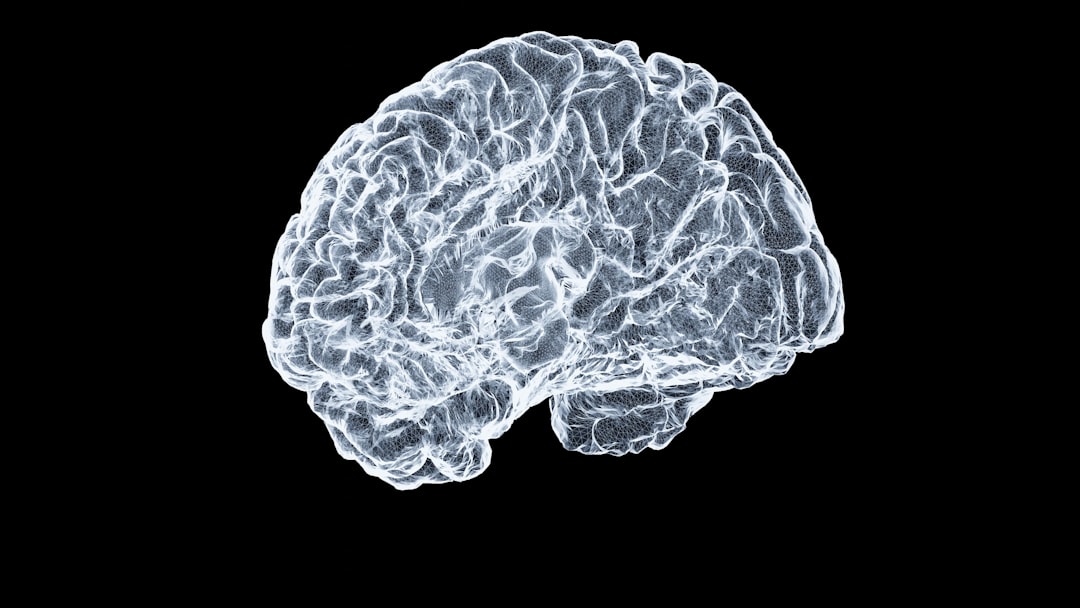
Brain-computer interfaces (BCIs) possess an allure that captivates both technologists and neuroscientists, offering the tantalizing possibility of bridging the gap between human cognition and machines. These innovative devices promise potential benefits in various fields, from enhancing cognitive functions and aiding medical conditions to transforming how we interact with our environment.
BCIs, at their core, are systems that establish a direct pathway for communication between the brain and an external device. Such technology involves capturing neural signals and decoding them to be interpreted by a machine. This collaboration between hardware and neural signals opens up a broad spectrum of applications, including medical interventions, such as aiding patients with disabilities, and non-medical fields like immersive virtual reality experiences.
The healthcare sector stands as one of the primary beneficiaries of brain-computer implants. Implant technology has made remarkable advancements in assisting individuals with severe motor disabilities. By capturing neural activity, individuals can control prosthetic limbs or communicate through a computer interface, all through thought alone. These devices provide a newfound autonomy and independence, significantly improving quality of life for individuals who otherwise face substantial physical limitations.
Moreover, BCIs are being developed to help restore or enhance cognitive functions. For example, implantable devices have been employed in attempts to ameliorate memory impairments in patients suffering from conditions like Alzheimer’s disease. These brain implants work by stimulating certain brain regions, potentially restoring neural pathways that have deteriorated.
In the realm of neurological disorders, BCIs hold promise in easing symptoms of epilepsy and Parkinson’s disease. By delivering direct stimulation to targeted areas of the brain, these implants can reduce the frequency and severity of seizures or improve motor control, offering a glimpse into a future where neurological diseases are more manageable.
While medical applications are significant, the scope of brain-computer interfaces extends beyond healthcare. The gaming and entertainment industries are keenly interested in harnessing BCI technology to create more immersive experiences. By integrating neural responses to in-game actions, developers aim to create a seamless, interactive gaming environment where players can control their avatars through mere thought.
Further potential lies in the enhancement of learning processes and productivity. Imagine a world where typing through a keyboard or speaking into a microphone is unnecessary because thoughts can dictate computing commands. Such advancements could lead to more efficient data processing or quicker idea generation.
Ethical considerations naturally accompany such transformative technology. The discussion surrounding privacy, consent, and the potential for misuse is essential as the technology continues to evolve. Safeguarding neural data, ensuring voluntary participation, and considering the implications of cognitive enhancement are pivotal as society navigates these new frontiers.
The ongoing development of brain-computer implants presents a fascinating glimpse into a future where the boundaries between human intellect and machine capabilities continue to blur. While the path forward is laden with challenges, the potential benefits—ranging from medical breakthroughs to entertainment evolution—are difficult to ignore.
As research progresses, interdisciplinary collaboration among neuroscientists, engineers, ethicists, and policymakers will be imperative. Such partnerships will pave the way for ethical integration of BCIs into society, ensuring that they are developed responsibly and used to benefit humanity as a whole.
Brain-computer interfaces symbolize a thrilling frontier in technology—one that holds the promise of not only augmenting human abilities but also revolutionizing the way in which we interact with the digital world. The implications for both industry and society are profound, marking the beginning of an era where the human mind and technology become intimately intertwined.
IT Trend
Brain-Computer Implants











Leave a Reply