

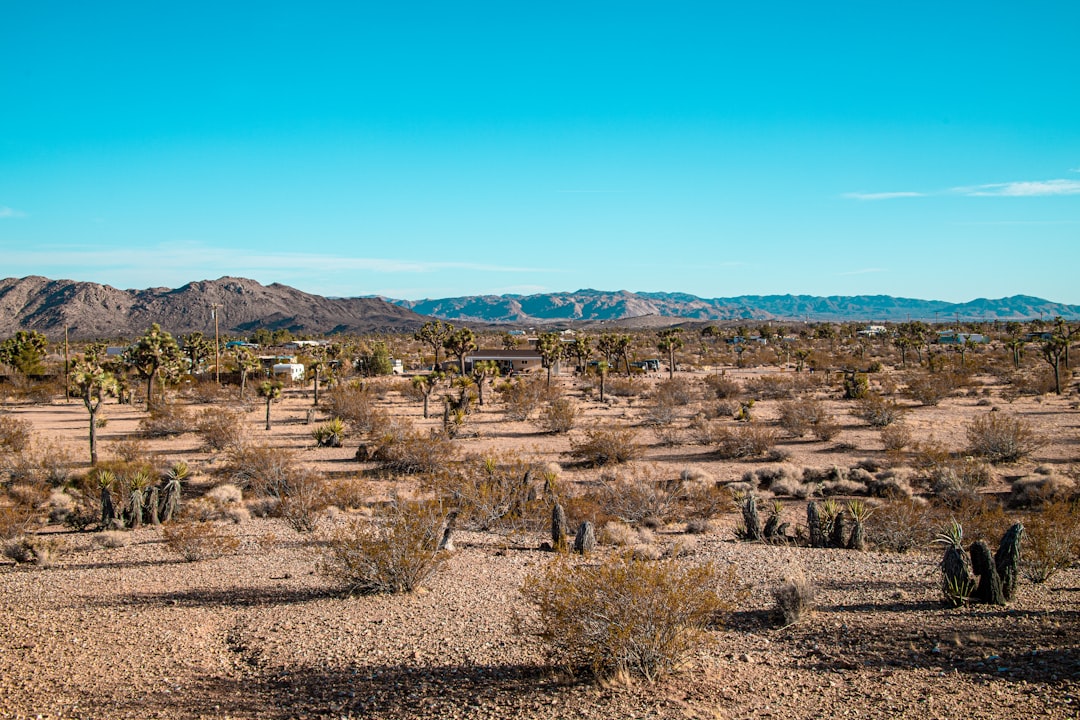
**A startling study paints a grim future for the Southwestern U.S., where rain remains elusive.** The relentless drought that’s taken hold of this vast region is not a passing phenomenon but a lingering crisis that scientists predict will persist well into the next century. This finding is particularly significant as it foreshadows ongoing challenges to water sustainability, agricultural productivity, and ecological balance in the area.
In a comprehensive research analysis conducted by climate scientists, the projection emerged that the Southwestern U.S. will continue facing severe drought conditions through the year 2100. This prediction is rooted in extensive data modeling and analysis of current atmospheric conditions, which suggest that global climate change will exacerbate hot and arid conditions in this region. The underlying factors contributing to this persistent drought are multifaceted, including shifting weather patterns, increased evaporation rates due to higher temperatures, and changes in precipitation distribution.
The effects of this prolonged drought are far-reaching and multifaceted. Water scarcity will become a perennial issue, significantly impacting urban water supply systems, agriculture, and even the ecosystems that rely on consistent moisture levels. Major reservoirs such as Lake Mead and Lake Powell are already experiencing unprecedented low levels, and continuous drought will likely push these vital water sources closer to critically low thresholds.
Furthermore, agriculture, a backbone of the Southwestern economy, faces a daunting challenge. Farmers are finding it increasingly difficult to sustain crops in the face of diminishing water resources and the rising costs associated with irrigation. Traditional crops might need to be replaced with more drought-resistant varieties or even completely different agricultural practices that can thrive in extreme conditions.
The communities residing in the Southwest will also need to adapt to a new reality shaped by over a century of limited water availability. Urban planning will be crucial to ensure efficient water use and mitigate the impacts of drought. This might include innovations in water conservation technologies, the implementation of stricter water usage regulations, and the development of desalinization plants or alternative water supply solutions.
Despite the grim forecasts, these findings offer a valuable opportunity for policymakers, scientists, and the public to work collaboratively on long-term strategies to mitigate the impact of these challenging conditions. Embracing sustainable practices and investing in technology that can enhance water efficiency will be key components in navigating the harsh realities of a 21st-century wrought by drought.
This persistent drought outlook not only highlights the urgency for local and national governments to take proactive measures but also underscores the interconnectedness of climate systems worldwide. As global temperatures rise, localized phenomena such as the Southwestern drought reflect broader, systemic changes that necessitate a collective response.
By addressing the imminent challenges head-on and innovating resilient solutions, it is possible to stave off the worst impacts of this enduring drought and safeguard the future of the Southwestern landscape. It is imperative that the lessons learned from the current situation guide future climate action plans to prevent exacerbating already critical conditions.
In conclusion, while the prospects of drought continuing till 2100 are daunting, they also serve as a clarion call to all stakeholders to rethink water use strategies and pioneer sustainable practices that ensure the longevity and viability of life in the Southwestern United States.
Insight Report
Southwestern drought











Leave a Reply