

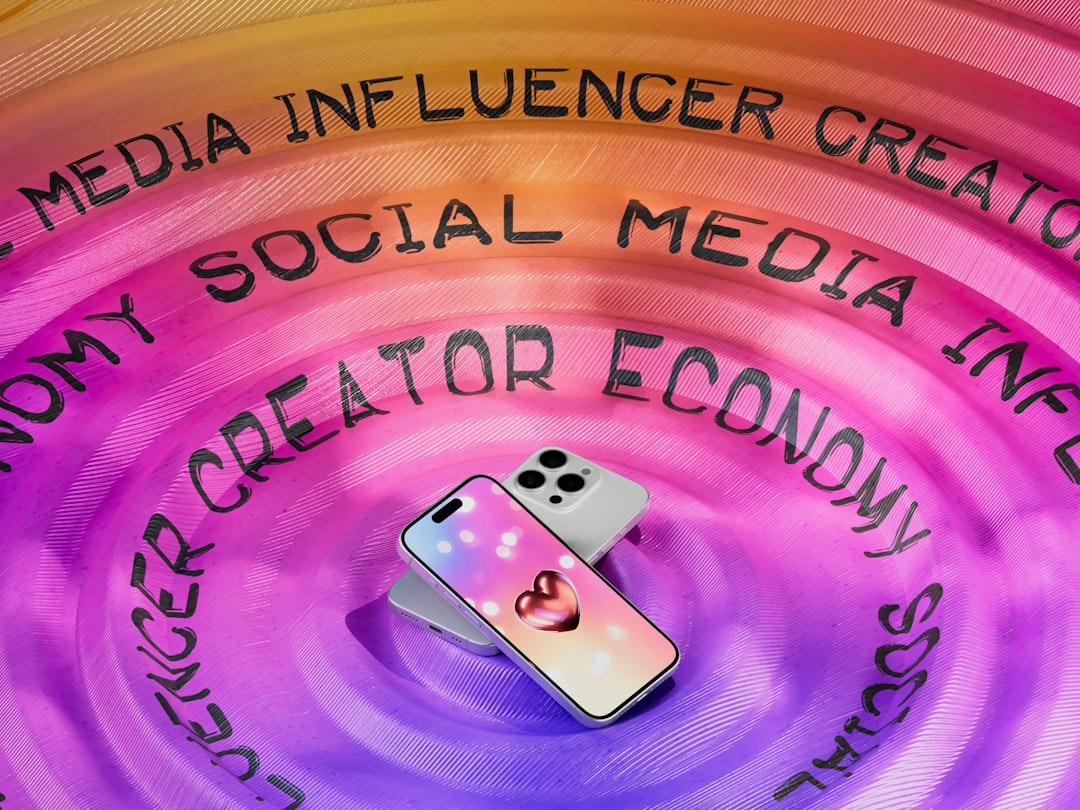
**In a world driven by digital connections and online communication, Generation Z finds itself navigating relationships in ways markedly different from prior generations.** This shift is largely attributed to the pervasive influence of social media platforms. These digital spaces, where interactions primarily unfold, are reshaping the very fabric of interpersonal connections, leading to what some analysts term the ‘sex recession’.
Social media platforms like Instagram, Snapchat, and TikTok have become essential tools for Gen Z, dictating not only how individuals express themselves but also how they forge and perceive relationships. The traditional pathways of meeting and maintaining relationships have been supplanted by likes, snaps, and DMs. This transformation influences how Gen Z approaches romantic engagements, friendships, and even familial interactions.
The digital nature of communication offers immediacy and a veneer of connection. However, it also brings challenges. Many young people report increased feelings of loneliness and isolation despite being perpetually connected. This paradox of social media reflects a broader trend where digital interaction often substitutes deeper, meaningful face-to-face engagements, significantly altering emotional experiences related to intimacy and empathy.
Furthermore, the algorithms governing what we see on social media play a crucial role in shaping perceptions. They create echo chambers that reinforce specific worldviews and romantic norms, which may not align with individual expectations. For Gen Z, exposure to curated, idealized representations of life can create unrealistic benchmarks for self-worth and success in personal relationships.
The term ‘sex recession’ refers to declining rates of sexual activity among young people, a phenomenon influenced by various factors including the rise of social media. While these platforms provide broader access to potential partners, they also lead to a more transactional view of relationships. Online dating apps amplify this, offering endless options at the swipe of a screen, which can lead to decision fatigue and, paradoxically, decreased actual interactions.
Mental health experts highlight that over-reliance on technology for emotional validation contributes to anxiety and depression, conditions prevalent in Gen Z. The curated nature of social media can forge feelings of inadequacy, impacting Gen Z’s willingness to engage in real-world intimacy. Additionally, the pressure to maintain a perfect digital persona can be overwhelming, leading to decreased self-esteem and reluctance to pursue deeper, potentially vulnerable relationships.
Moreover, with an array of digital entertainment at their fingertips, many young people prioritize these activities over real-world social encounters. Video games, streaming platforms, and online content compete for their attention, often at the expense of pursuing physical relationships. This digital absorption indicates that Gen Z might not value or pursue in-person connections as intensively as prior generations.
Recognizing how social media influences Gen Z’s relationship trends is vital for understanding broader societal changes. It’s crucial for parents, educators, and policymakers to engage with these digital natives meaningfully. Encouraging critical media literacy could empower young users to discern and detach from unrealistic portrayals of life and love on these platforms.
The tech industry also has a role to play. As developers and designers, building social media platforms that foster genuine interaction and community, rather than superficial engagement, can help mitigate some negative effects. Supporting mental health initiatives and empathy-driven AI could transform how social networks support positive relationship dynamics.
In conclusion, as social media continues to evolve, so too will the landscape of relationships among Gen Z. Navigating this terrain requires a nuanced understanding of digital influence and a willingness to bridge the gap between online presence and offline reality. By fostering spaces for authentic connection and developing infrastructures that support mental well-being, society can help Gen Z cultivate healthier, more fulfilling relationships in this digital age.
Smart Life
How Social Media Is Fueling Gen Z’s Sex Recession











Leave a Reply