

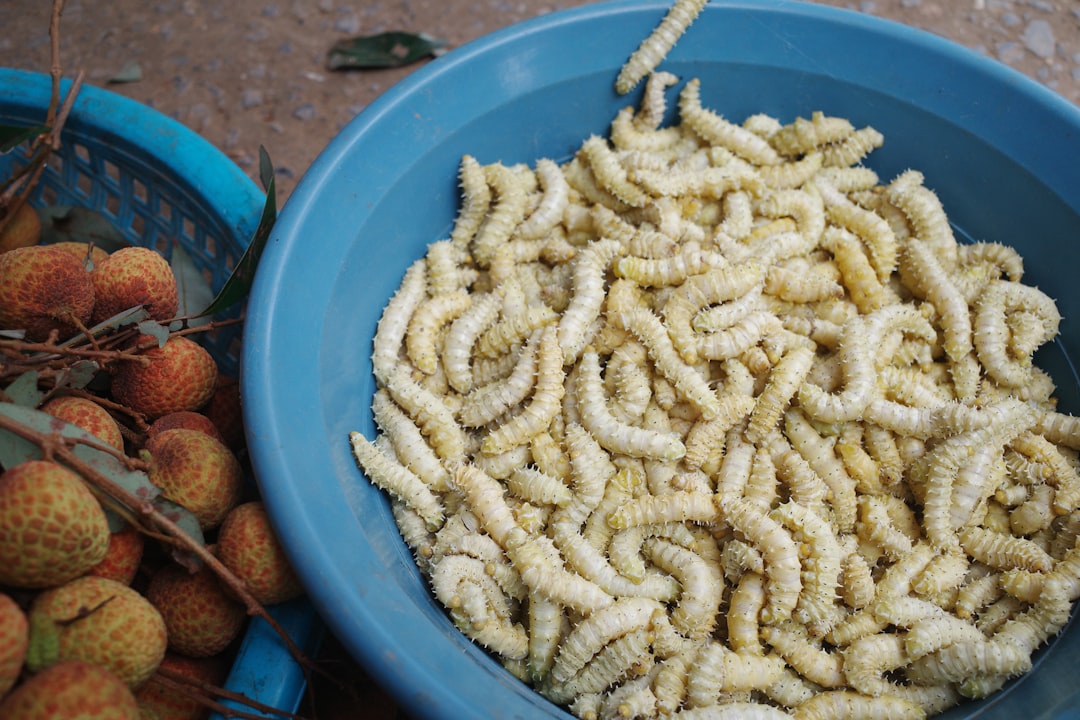
Have you ever wondered about the culinary habits of our ancient ancestors, the Neanderthals? Recent studies have uncovered a fascinating insight into their diets which included fermented meat supplemented by maggots. This unconventional culinary practice not only challenges our preconceived notions about Neanderthals but also carries substantial implications for understanding their health, nutrition, and survival strategies.
While traditionally perceived as primitive, Neanderthals are increasingly being recognized for their innovative adaptations to their environment. One compelling aspect of this adaptive ingenuity is their diet. Fermentation, a practice long associated with sophisticated food preservation techniques, appears to have been within the Neanderthals’ culinary repertoire. This technique may have been used to prolong the shelf-life of meat, especially important in harsher climates where resources were scarce.
Imagine the sight of these resilient humans, keenly aware of their surroundings, employing nature’s processes to make the most of available resources. Fermentation not only preserves food but enhances its nutritional value. During this process, naturally occurring microbes break down complex organic compounds into simpler forms, often enhancing nutrient availability and digestibility. Maggots—yes, the larvae of certain insects—also enter this picture. Though modern sensibilities might recoil at the thought, maggots served as an efficient protein source, teeming with essential amino acids and fats crucial for survival.
The art of fermentation was not merely about preservation. By enabling the growth of beneficial bacteria, it created a line of defense against pathogens that cause spoilage and disease. For Neanderthals, who lacked refrigeration, this was a crucial adaptation. Amazingly, these fermentation techniques align with similar practices observed in various cultures around the world, showing an early form of food technology that predates human civilization.
Maggots, often viewed today as unsavory, offered additional benefits. Larvae from insects like flies thrive in decomposing organic matter, such as ferments, providing a fortuitous source of nourishment. Modern analysis of similar practices across traditional societies in Africa, Asia, and South America reveals how insects diversify diets, offering crucial proteins often scarce in diets reliant solely on plant matter or limited animal resources.
Scientific inquiries into Neanderthal bones and dental calculus have revealed wear patterns and residue indicating a diet inclusive of cooked and raw foods, plant matter, as well as varied evidence pointing towards the consumption of insects. This suggests a sophisticated food culture where various technologies were harnessed to provide a varied and balanced diet.
Beyond nutrition, these practices could have facilitated sociocultural development. Sharing fermented goods may have been a communal activity, fostering cooperation and social bonds essential for group survival. These insights underscore how Neanderthals were not mere scavengers but social beings with an understanding of their ecosystem akin to early Homo sapiens.
Neanderthals, who existed approximately 400,000 to 40,000 years ago across Europe and Asia, were highly adaptable to diverse climates and ecological niches. Their diet, therefore, is a window into their success and longevity in the evolutionary marathon.
As we lend a modern lens to these ancient dietary practices, there’s much to learn regarding sustainable and resourceful living. Today, the resurgence of interest in insect-based proteins and traditional fermentation techniques echo Neanderthal ingenuity. Insects are touted as sustainable protein alternatives with a low environmental footprint—a lesson we might take from our prehistoric cousins.
With environmental challenges looming and global food insecurity a growing concern, rediscovering ancient practices might offer pathways to more resilient future food systems. Neanderthals’ use of fermentation with maggots exemplifies a pragmatic approach to sustainability—a lesson modern society might ponder upon.
The revelations of Neanderthals’ dietary practices, as they continue to unfurl, are gradually reshaping our understanding of their capabilities and our own evolutionary legacy. What might once have been dismissed as primitive or rudimentary now stands as a testament to the innovation and adaptability that underpin human history.
Their culinary tendencies represent more than survival tactics—they symbolize a forgotten chapter of our shared heritage, replete with lessons about resilience, adaptation, and survival. In unraveling these threads, we gain not just knowledge about the past, but wisdom for navigating the challenges of the present and future.
Insight Report
Neanderthal diet














Leave a Reply