

**Artificial Intelligence (AI) has been hailed as a technological marvel, transforming industries and revolutionizing the way we live and work.** Yet, Mistral’s recent audit presents an alternative narrative, highlighting the environmental costs of AI technologies, hitherto overshadowed by their rapid advancements and potentials. This audit has identified the immense energy consumption and carbon footprint of AI operations, urging a reevaluation of current practices to align technological advancements with environmental sustainability.
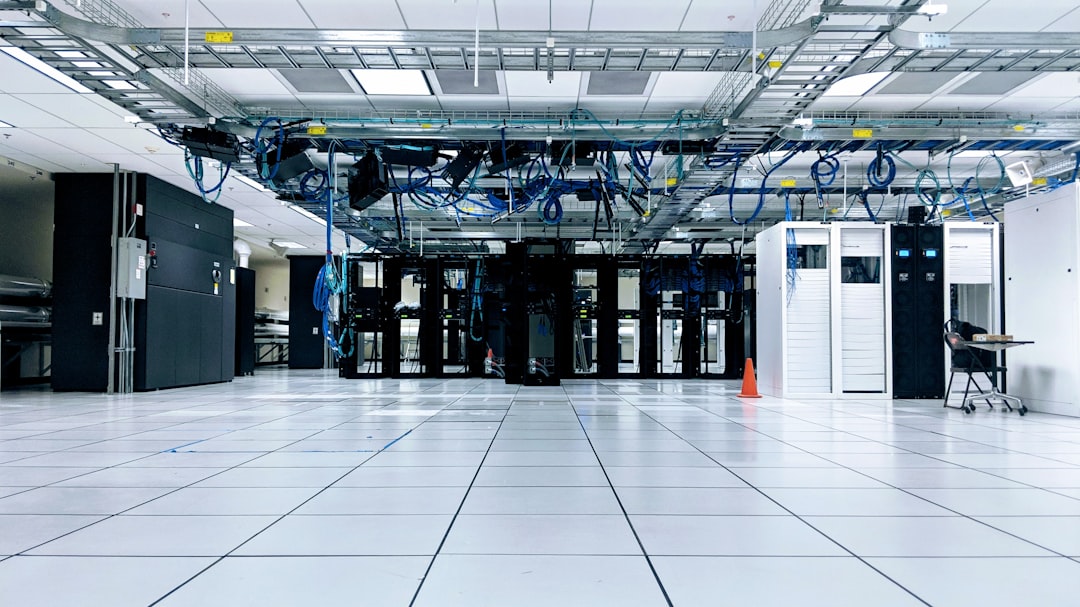
AI, at its core, relies heavily on computational power, which in turn demands substantial energy resources. From data centers to the cloud processing required for AI models, this technology’s energy consumption is staggering. Mistral’s audit reveals that the energy used in training large AI models is equivalent to the emissions of hundreds of passenger vehicles, raising significant concerns about its sustainability and impact on climate change.
To comprehend the environmental ramifications more deeply, Mistral’s audit delved into various AI sectors such as machine learning and deep learning processes. Training these models requires complex computations and massive datasets, resulting in increased CO2 emissions. The environmental audit discovered that developing AI technologies in some instances is comparable to taking long-haul flights, which is a substantial environmental burden.
With the proliferation of AI-driven technologies in modern society comes a growing need for energy-efficient solutions. Mistral’s audit emphasizes the necessity for innovation in reducing the environmental footprint of AI-related technologies. Unlike traditional technological tools, AI systems need constant updates and optimizations that require consistent energy input, leading to a cumulative environmental strain. In trying to optimize and scale AI deployments, companies are inadvertently increasing their carbon footprint, contributing to more extensive ecosystem degradation and global warming phenomena.
Amid these challenges, the environmental audit by Mistral underscores an urgent call for adopting and investing in renewable energy alternatives across AI’s lifecycle. Proposals include leveraging green data centers and implementing new algorithms that prioritize energy efficiency without compromising on AI capabilities. By embracing these strategies, the tech industry can aim to counteract the substantial carbon emissions and energy consumption rates posed by AI technologies.
The audit doesn’t merely highlight problems but also outlines practical steps towards a more sustainable AI future. These steps involve designing AI architectures that minimize energy consumption, transitioning to more efficient cooling technologies for data centers, and integrating AI in energy management systems to optimize overall consumption.
**Deploying Renewable Energies and Innovative Practices**
Mistral’s findings advocate for a collective industry-wide approach to harmonize AI developments with environmental priorities. This approach necessitates collaboration among tech giants, policy-makers, and environmental bodies to develop regulations that encourage sustainable practices. By doing so, Mistral aims to promote a tech ecosystem that not only pioneers AI advancements but also champions environmental resilience and sustainability.
The conclusions drawn from the audit pave the way for future regulatory frameworks directing ethical AI practices. Mistral’s report is instrumental in mapping out strategies that ensure AI continues to prosper without detriment to our planet, blending innovation with environmental stewardship seamlessly.
In summary, Mistral’s audit offers a clear lens through which to examine the ecological implications of AI advancements. As AI becomes increasingly entrenched in everyday life, it is imperative to address and mitigate its environmental impacts promptly. In doing so, we can strive toward a future where technological progress and environmental sustainability coexist beneficially.
AI
AI











Leave a Reply