

In a world where technological advancements set the pace for innovation, few figures are as iconic as Elon Musk. His name is synonymous with groundbreaking innovation and radical ambition. Recently, Musk has made headlines once again with his audacious demands for a supercomputing system that dwarfs current capabilities, both in scale and power.
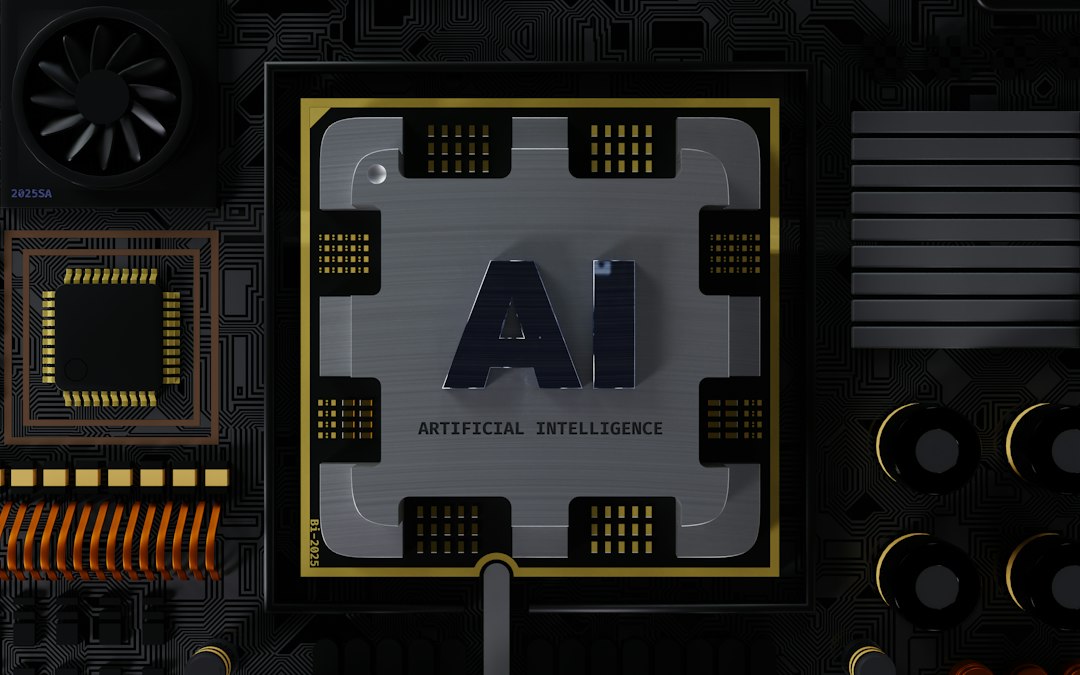
Musk’s latest vision requires an unfathomable number of GPUs—50 million, to be precise. This isn’t just a headline-grabbing number; it’s a testament to the scale of computing power that Musk envisions for his ventures. The announcement comes amid growing demands for enhanced computational capabilities to support and advance his various enterprises, including everything from aerospace missions to electric vehicles, AI developments, and more.
Elon Musk is not a novice when it comes to leveraging cutting-edge technologies. His companies have been at the forefront of innovation, constantly pushing the boundaries of what’s possible. However, the demand for 50 million Nvidia GPUs raises immediate questions about feasibility and purpose.
Tesla, SpaceX, and other Musk-led organizations are increasingly reliant on AI and data-intensive applications that demand unmatched processing power. The current frameworks demand enhanced computational speeds and efficiency, something that can only be achieved with a vast upgrade in infrastructure. Nvidia, a leading force in GPU technology, emerges as a natural partner. These graphics processing units are not merely decorative tools for enhanced visuals—they are the workhorses driving AI, machine learning, and simulation technologies to new heights.
With the world turning to automation and AI-driven decisions, the backbone of such technologies is invariably tied to GPU-powered systems. The neural networks that fuel self-driving cars, the simulations that prepare NASA’s missions to Mars, and the processing power behind intelligent electric grids all rely heavily on these systems.
However, assembling the physical and logistical infrastructure to support 50 million Nvidia GPUs presents a monumental challenge. It is not simply a matter of acquisition but of deployment, optimization, and maintenance.
Musk’s strategy could redefine the computational landscape, but it places immense pressure on the supply chain and logistical paradigms currently in place. The semiconductor industry, already under strain, would need to expand its capabilities significantly to meet such a demand.
If successful, Musk’s strategy could revolutionize numerous industries, decentralizing power and computational capability across various sectors. The implications are staggering. Enhanced simulation options could propel research in renewable energies, increasing efficiencies and reducing emissions. In healthcare, improved data analytics capabilities might lead to breakthroughs in personalized medicine and genomic research.
Moreover, the advancement would have ripple effects in fields such as climate modeling, financial analytics, and even daily consumer tech, redefining customary interaction with digital ecosystems.
Musk’s supercomputing goal appears aggressive and leaves many questioning feasibility; still, it embodies the relentless spirit of innovation—challenging existing paradigms and urging technological progress against all odds. With a potential reconfiguration of how supercomputers are constructed and utilized, industries will be molded by newfound efficiencies and capabilities.
As the world watches, mesmerized by the potential and the sheer scale of Musk’s ambitions, it seems evident that we stand on the brink of a new era in supercomputing. Musk is no longer merely capitalizing on existing technology; he is challenging the future to rise to new heights.
This ambition echoes a broader narrative of disruptive transformations within tech sectors. While logistics may pose temporary hurdles, such ambitions offer glimpses of future landscapes, characterized by unprecedented simulations and artificial intelligence, creating a future that closely resembles the stuff of science fiction dreams.
Big Tech News
Elon Musk







Leave a Reply