

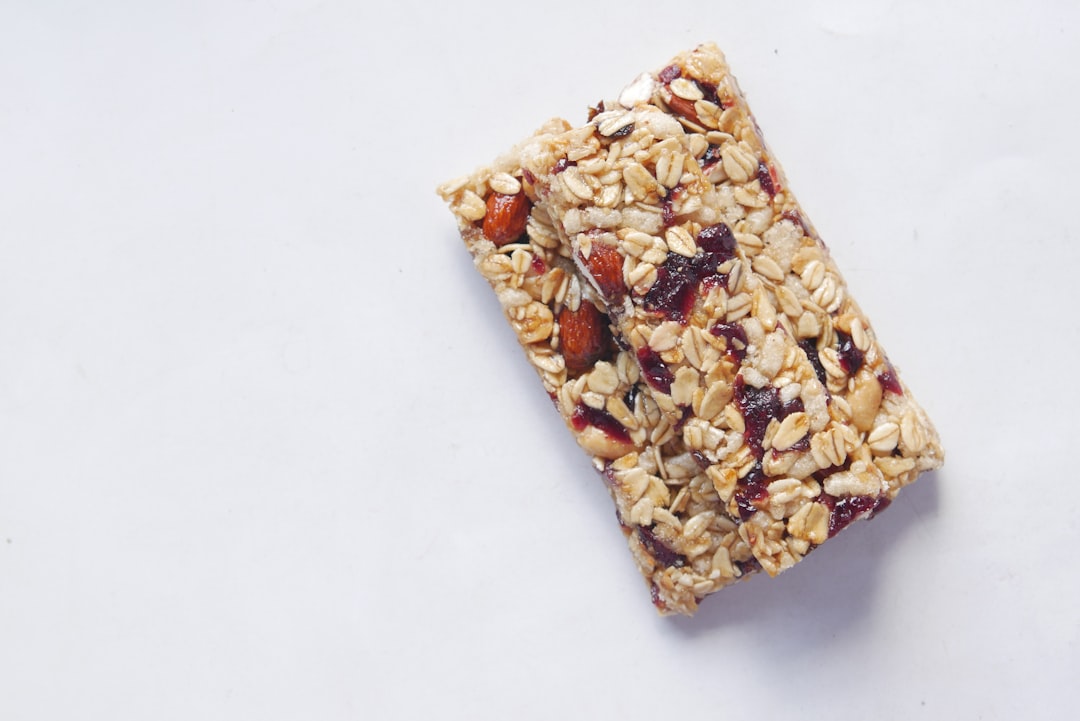
**Understanding the intricate world of protein bars can be as confusing as deciphering a foreign language.** These compact and convenient snacks have risen in popularity, promising a quick boost of energy and essential nutrients. However, with an overwhelming variety of brands and options on the market, it can be challenging to discern which ones actually live up to their health claims. Recent studies and expert analyses have shed light on what consumers should look for when choosing the healthiest protein bars.
Protein bars can be an excellent addition to your diet if chosen wisely. They are often marketed towards fitness enthusiasts and busy individuals who need a quick, on-the-go meal or snack. While the convenience factor is unquestionable, the health benefits can vary significantly depending on the ingredients. The first ingredient to scrutinize is the protein source. Quality protein sources are critical for muscle repair and growth. Ideal protein bars use whey, casein, or plant-based proteins like pea or hemp. These proteins provide a more complete amino acid profile compared to other lesser sources.
Next, the sugar content in protein bars deserves attention. Many so-called health bars are laden with sugars, which can negate any potential health benefits. High-sugar content can lead to blood sugar spikes, affecting energy levels and weight management. When choosing a protein bar, opt for those with minimal added sugars. Look for bars that use natural sweeteners like dates or stevia, as these are healthier alternatives. Fiber is often an overlooked ingredient but plays a crucial role in digestive health. It aids in satiety, helping to keep you full longer and ward off unnecessary snacking.
Saturated fats also need consideration. Although fats are essential for various bodily functions, excessive saturated fats in processed foods can lead to health complications. High levels of saturated fats can increase cholesterol levels and the risk of heart disease. Therefore, select protein bars with healthy fats such as those from nuts, seeds, or coconut oil.
Furthermore, additives and preservatives are prevalent in many protein bars to extend shelf life and enhance taste. However, these can compromise the nutritional value of the bar. Artificial flavors, colors, and preservatives might pose health risks and should ideally be avoided. Whole ingredient lists with recognizable components are typically a sign of a cleaner, healthier product.
The focus should be on nutrient-dense ingredients that provide a balanced supply of macronutrients and essential vitamins and minerals. Fiber-rich ingredients like oats or chia seeds enhance digestive health, while the inclusion of nuts and seeds ensures healthy fat intake. Superfoods such as spirulina, quinoa, or blueberries add an antioxidant boost, combating oxidative stress and inflammation.
Consistency in using such nutrient-rich components is often indicative of the overall health value of a protein bar. As consumers become more informed about these elements, manufacturers are beginning to cater to this informed demand by improving the quality of their ingredients and being transparent about nutritional content.
Lastly, it’s always a good idea to consult with a healthcare provider or nutritionist especially if you have specific dietary concerns or health goals. If in doubt, homemade protein bars can be a better option, allowing you to control every ingredient that goes into your snack.
The ongoing debate surrounding the health benefits of protein bars revolves around ingredient transparency and nutritional balance. While they offer convenience, the true health value of a protein bar lies in its ingredients. Armed with the right knowledge, you can make informed decisions that truly benefit your health and lifestyle.
By choosing wisely, protein bars can indeed be a healthy snack option, empowering you to maintain your energy throughout the day without compromising nutritional intake.
Smart Life
Protein Bars













Leave a Reply