

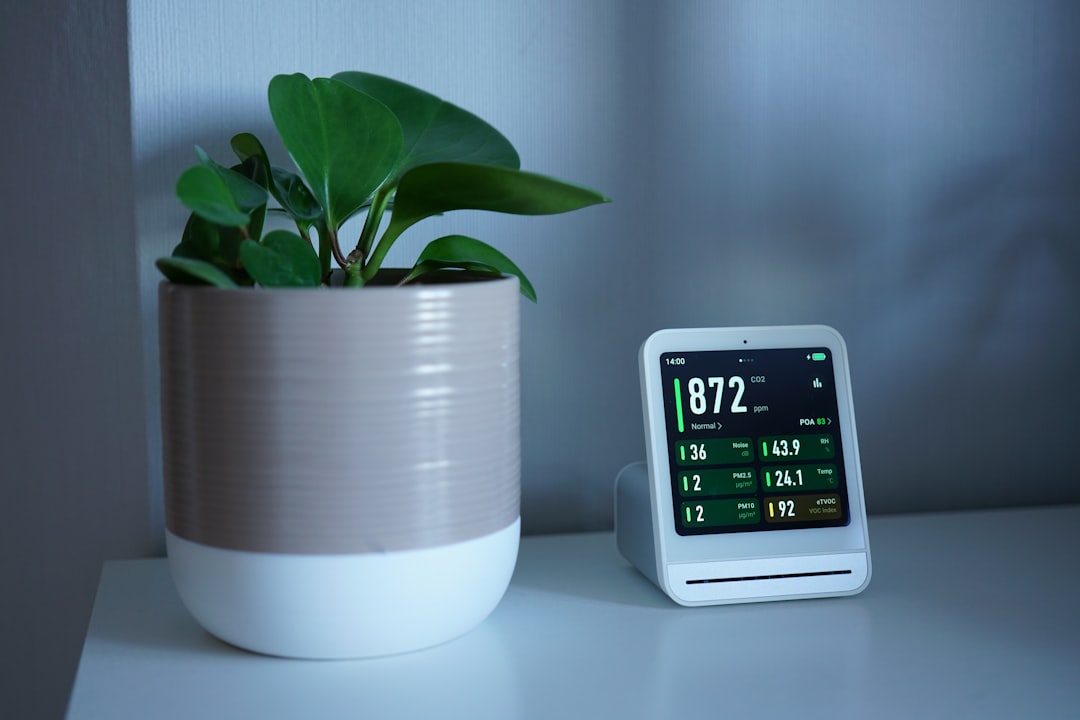
As environmental awareness amplifies globally, the need for accurate air quality monitors becomes ever more critical. In our rapidly urbanizing world, understanding air quality both inside and outside has become indispensable for health-conscious individuals and families. From sensible living to comprehensive health conservation, these technological marvels offer invaluable insights.
Air quality monitors are essential as they measure pollutants like carbon monoxide, particulate matter, and volatile organic compounds (VOCs) that often go unnoticed. These harmful particles can have severe long-term health effects, such as respiratory problems or exacerbated allergies, especially in children and the elderly. With natural living conditions increasingly compromised by industrial, vehicular, and domestic sources, using technology to safeguard our health is no longer optional but necessary.
Investing in an air quality monitor is a proactive measure that not only helps you understand air trends in your area but also encourages a healthier lifestyle. Advanced models often provide real-time data, historical analysis, and forecast capabilities, enabling users to make informed decisions.
When selecting an air quality monitor, it’s vital to consider the type of pollutants you need to measure and where you’ll be using the device. Indoor monitors, for instance, should ideally detect formaldehyde and VOC levels, common in furniture and paints, whereas outdoor monitors should focus on larger particulate matter and ozone levels.
Accuracy is key, so check whether the device has been independently tested and calibrated against industry standards. Ease of use is another vital factor; some devices might offer wireless connectivity, integration with smart home systems, or simple interfaces for easy interaction. Additionally, consider the portability if you plan to move it between locations or use it on-the-go.
BRIQ Cube and Airthings Wave Mini are two products often highlighted for their impressive accuracy and range of features. They offer seamless integration with smartphones, delivering convenience alongside their primary purpose of health safeguarding.
As technology continues to develop, so too will the capabilities of air quality monitors. Eventually, these devices will incorporate predictive algorithms that can foresee air quality changes based on historical and environmental data. IoT integration is anticipated to enhance the interconnectivity between other smart home devices, allowing for an automated response that adjusts indoor environments to optimal conditions.
Government agencies and municipalities also use large-scale monitors to track and regulate air quality in public areas, shaping policies and interventions to ensure public safety. By combining local data with personal home device data, individuals stand to gain a holistic view of air quality, shaping future urban planning and development.
In conclusion, air quality monitors are a blend of preventative healthcare and environmental responsibility, encouraging healthier lifestyles while granting you peace of mind. As these tools grow more sophisticated, they will undoubtedly become household staples, integral to fostering wellbeing.
Smart Life
Air Quality Monitors











Leave a Reply