

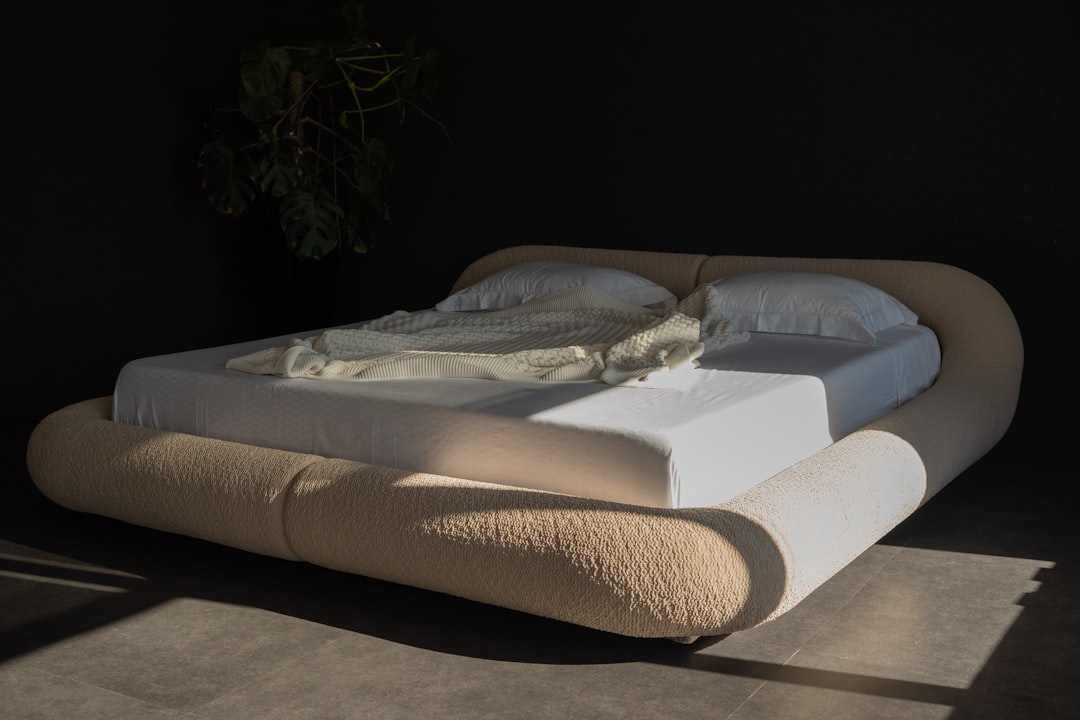
**Understanding the Need for a Box Spring in Modern Times**
For decades, box springs were seen as an essential part of a typical bedding setup, but the advent of innovative mattress technologies has cast doubt on their necessity. Indeed, with the surging popularity of memory foam and hybrid mattresses, many individuals are reevaluating whether a box spring is essential or merely an outdated accessory. This article explores whether your bed-in-a-box truly benefits from a box spring and examines modern alternatives that might be more suitable for today’s bedding solutions.
The traditional function of a box spring was to absorb the impact on a mattress, reduce wear, and provide an elevated platform. Typically constructed from a wooden frame filled with springs or a metal grid, box springs offered added resilience and supported the mattress from sagging over time. However, with newer mattress technologies, this function has evolved, giving rise to new criteria for assessing bedroom essentials.
Today’s mattresses, especially those that arrive in a box, are often engineered with built-in support systems. Memory foam, latex, and hybrid models typically incorporate supportive base layers meant to hold up without needing a box spring’s framework. They’re designed to sit on flat, solid surfaces that provide necessary support, raising the question: does a bed-in-a-box mattress really need a box spring?
One of the primary reasons people reconsider using box springs is the structure of contemporary mattresses. Since many new-age mattresses are made flexible yet firm to adapt to the body, placing them on a box spring that’s too giving can detract from their intended effects. Alternatively, using a specific bed foundation designed by the mattress manufacturer is highly recommended, ensuring compatibility and a longer lifespan for both the mattress and the bed frame itself.
On the other hand, box springs are not entirely obsolete; they can still aid those who prefer a higher bed, making it easier to get in and out. They might also be suitable for traditional innerspring mattresses, which still benefit from the additional give and ventilation that a box spring can provide. For such cases, the option of a low-profile box spring can maintain elevation without the excessive bulk.
Another advantage box springs offer is increased airflow, reducing mattress odors and moisture build-up, crucial aspects ignored until discomfort arises. However, modern platform beds, metal grids, and adjustable bases can also tackle these issues without pairing with a box spring. Moreover, these alternative solutions often provide added functionality and storage, keeping modern bedrooms tidy and organized.
Lastly, it’s essential to consider the manufacturer’s mattress warranty. Some warranties specifically require that a mattress be used with appropriate bases to remain valid. This stipulation can often be met using a suitable platform bed or slatted frame, so it’s critical to match your bed setup to the manufacturer’s guidelines to ensure your investment is protected.
In conclusion, while there may yet be a place for box springs in particular bedding arrangements, they are far from being mandatory, especially for contemporary memory foam or hybrid mattresses. Understanding your mattress’s requirements and the structural characteristics of your sleeping arrangements can guide you to a more comfortable, health-conscious choice. Thus, your decision should be based on personal comfort preferences, health considerations, and compliance with warranty needs, rather than adherence to tradition.
Smart Life
Does Your Bed-in-a-Box Need a Box SpringNULL












Leave a Reply