

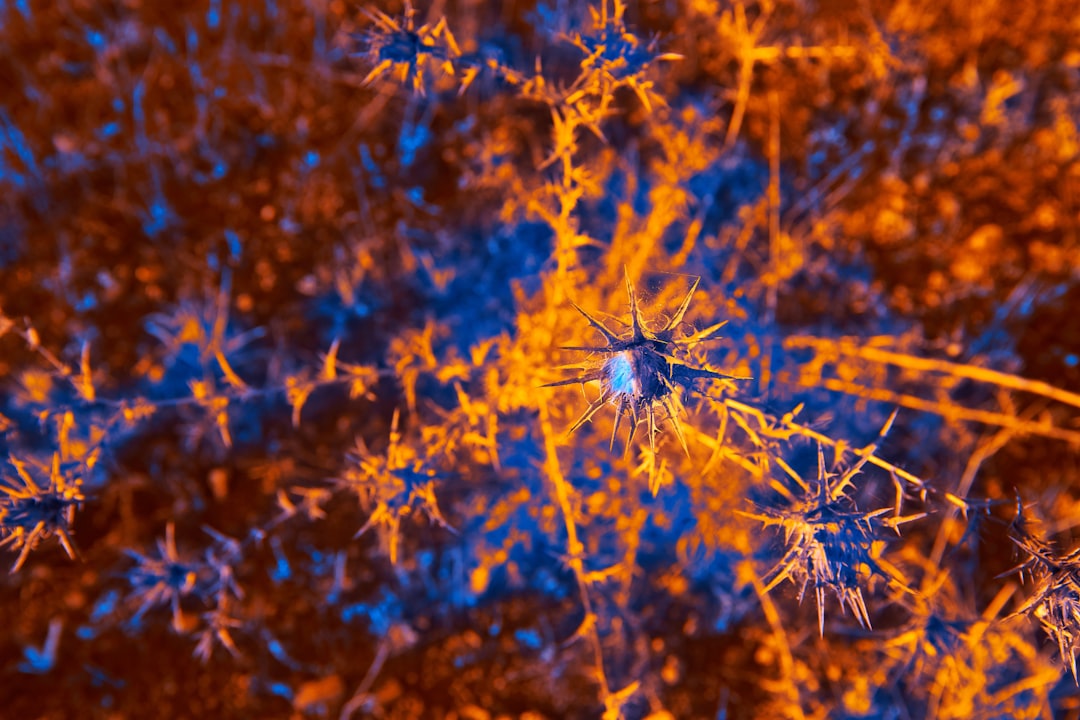
**The human brain, with its intricate network of neurons and synapses, acts as the hub for memory formation and retention.** Understanding the mechanics of how memories are anchored in the brain can provide invaluable insights into cognitive health and disorders.
Recent neurological studies have illuminated the roles of two crucial brain molecules, AMPA receptors and neural cell adhesion molecule (NCAM), in the memory formation process. These molecules interact dynamically to ensure that short-lived impulses transform into enduring memories, paving the way for a better grasp of cognitive functions.
AMPA receptors, placed strategically across the brain’s synapses, are fundamental in controlling synaptic plasticity and strength, crucial elements in memory and learning. These receptors quickly respond to the neurotransmitter glutamate, creating a cascade of neural activities leading to memory formation.
On the other hand, NCAM plays a supportive role in long-term memory formation. This molecule is responsible for stabilizing the synapses that AMPA receptors help activate. Through its adhesive characteristics, NCAM ensures the synapses remain sturdy enough to support long-term potentiation, a sustained increase in signal transmission between two neurons.
The binding action between AMPA receptors and NCAM essentially cements the new memories into the neural network. This binding does not just anchor the memories but also aids in their retrieval and modifies existing pathways to refine memory retention. These interactions exemplify the brain’s ability to adapt and change in response to new stimuli, a trait known as neuroplasticity.
Understanding the interaction between these molecules opens avenues for therapeutic interventions in memory-related disorders like Alzheimer’s disease and other forms of dementia. In these conditions, the proper functioning or presence of AMPA receptors and NCAM can be compromised, leading to gradual memory loss and cognitive decline.
By targeting these molecules, it may be possible to develop treatments that enhance or mimic their function, potentially slowing down the progression of such disorders. Drug therapies that boost AMPA receptor activity or promote NCAM stability have shown promise in preliminary studies, offering a ray of hope for millions affected by cognitive dysfunctions.
Moreover, understanding these molecular mechanisms could also benefit cognitive enhancement in healthy individuals. Techniques or substances that ensure optimal interaction between AMPA receptors and NCAM could enhance learning capabilities, boost memory retention, and improve overall brain health.
The ongoing research into the binding of these brain molecules unveils new realms in neuroscience, promising to bridge gaps in our understanding of memory processes. This knowledge serves not only the scientific community but also translates into practical applications in education, therapy, and even artificial intelligence.
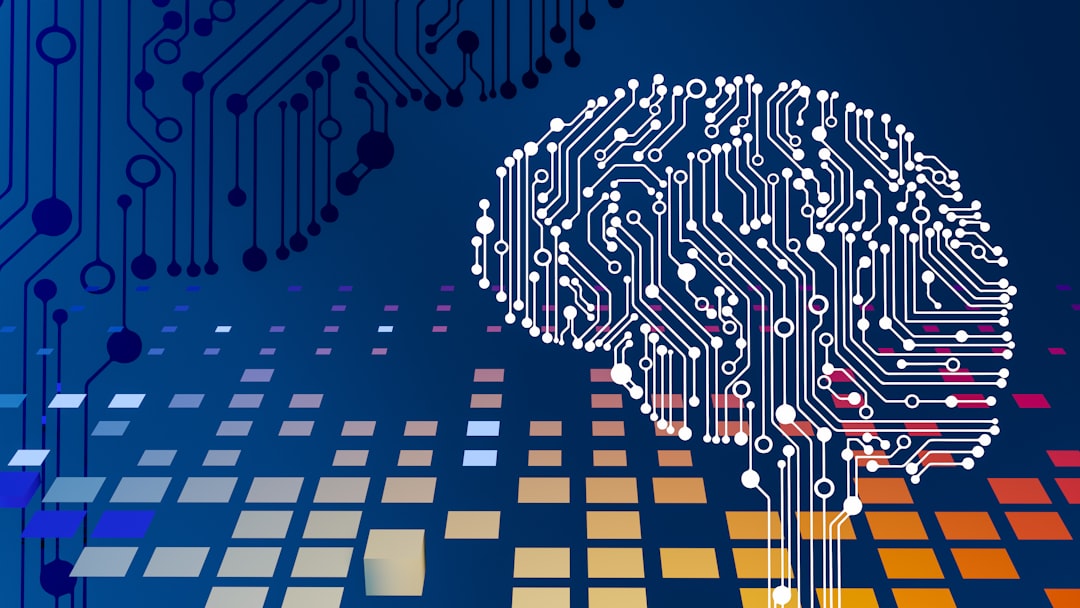
For example, simulating these molecular interactions in AI systems could lead to more sophisticated machine learning models that mimic human-like memory and learning patterns. Such advancements could revolutionize the way AI interacts with humans and the environment, making them more adaptive and efficient.
In summary, the intricate dance between AMPA receptors and NCAM is more than a biochemical interaction; it is a testament to the complexities of the human brain. This research not only enriches our understanding of memory creation but also holds potential for groundbreaking advancements in treating cognitive disorders and enhancing mental prowess.
AI
AMPA receptors













Leave a Reply