

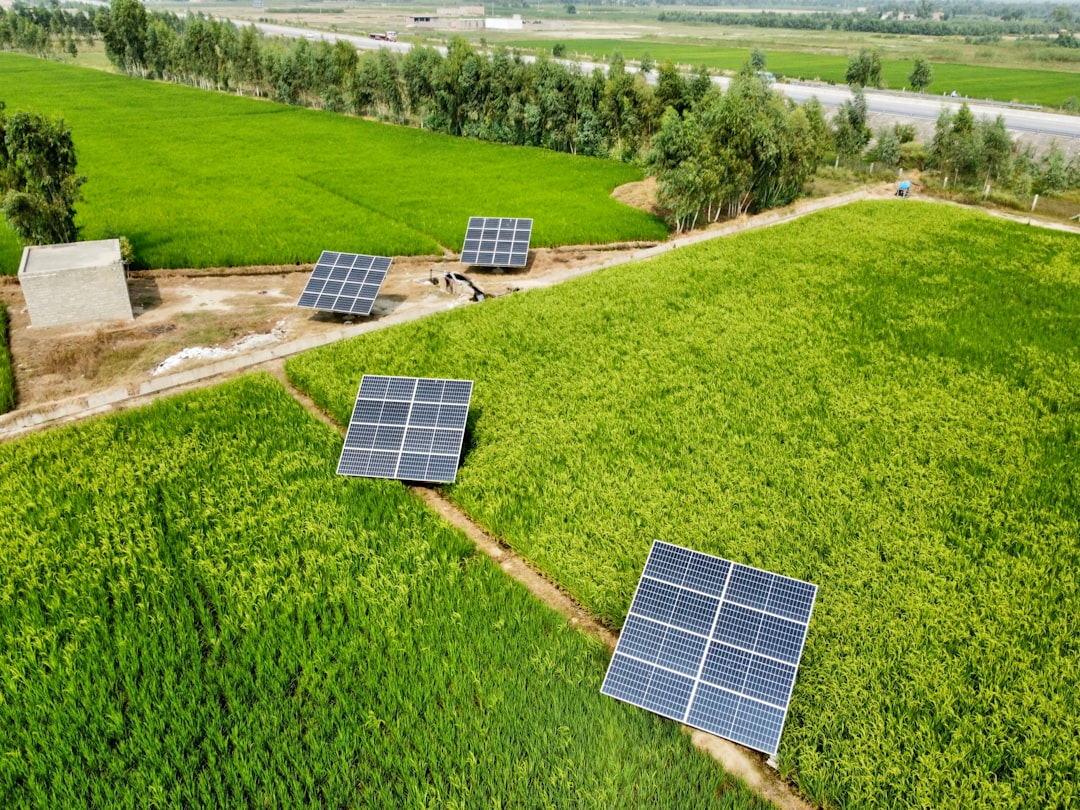
In the heart of ecological progression lies an essential discovery: solar panels not only produce energy but also nurture agriculture. This fascinating interplay between solar technology and farming practices stands to redefine how we perceive and utilize land, bridging the gap between energy production and food cultivation.
Advances in technology continually shape our landscape, pushing us toward ever-increasing innovation and efficiency. It’s a rule we’ve observed time and time again, yet its implications can still be incredibly profound. In recent years, the Southwestern regions have emerged as prime landscapes for harnessing solar power, showing that the collision course of necessity and opportunity often leads to remarkable synergy.
While the primary function of solar panels remains clear – to capture sunlight and convert it into electrical power – a secondary, lesser-known benefit is being realized: the impact these panels have on sustainable agriculture. Integrating solar installations with farmland, a method known as agrivoltaics, allows for dual-use land optimization where both energy and food can be cultivated in tandem.
Agrivoltaics comes into play more effectively in regions like the Southwest, where sunlight is abundant, and water resources are scarce. By strategically placing solar panels above crops, a balance can be achieved allowing the crops to receive adequate sunlight while being shielded from the extreme heat, thus reducing water evaporation rates and conserving water resources.
This synergy turns out to be particularly beneficial for certain types of crops that thrive under slightly shaded conditions. Studies have shown an increase in certain crop yields, as the panels help create a favorable microclimate, lowering temperatures and providing protection from direct sunlight while still allowing sufficient light for photosynthesis.
Harnessing the power of agrivoltaics also signifies a brilliant stride toward mitigating climate change. As these systems generate renewable energy, they decrease reliance on fossil fuels and help reduce greenhouse gas emissions. Furthermore, they minimize the carbon footprint of agricultural production by potentially cutting down on water usage and enhancing energy efficiency.
Of course, as with any burgeoning technology, challenges remain. Concerns about land use competition, the cost of installation, and potential hindrance to both energy output and crop growth exist. However, the promise of increased efficiency in land use often outweighs these hurdles. By transforming underutilized land into dual-purpose territories, agrivoltaics stands not only as a technological advancement but as an environmental and economic opportunity.
Agricultural landscapes integrated with solar technology encourage diversification, where farmers can maintain their harvests while also gaining revenue from power production. Ultimately, this creates a more resilient and adaptable farming paradigm that is better equipped for future challenges.
Adapting to and embracing these innovations necessitates collaboration across industries – from energy producers to agricultural experts – to ensure that the implementation is effective, efficient, and remains beneficial to all parties involved.
As we venture forth into an era of heightened environmental consciousness, the blending of solar technology and agriculture represents an optimistic view of holistic sustainability. The Southwestern regions, rich with sunlight, lead the charge in this innovative transformation.
Seeing solar panels casting their dual benefits across farmlands compels us to rethink the boundaries of technology and nature, proving that sustainable coexistence is not only possible but essential. As research and development continue to enhance these systems, the vision of a more sustainable and integrated agrarian landscape moves from theory to reality.
In an ever-evolving world of energy and agriculture, solar panels have stepped beyond their usual roles to offer new opportunities and hope for a balanced future. Whether through the lens of economic growth or environmental stability, solar-integrated agriculture provides a pathway to sustained progress, encouraging us to harness humanity’s ingenuity for the greater good.
Smart Life
solar panels














Leave a Reply