

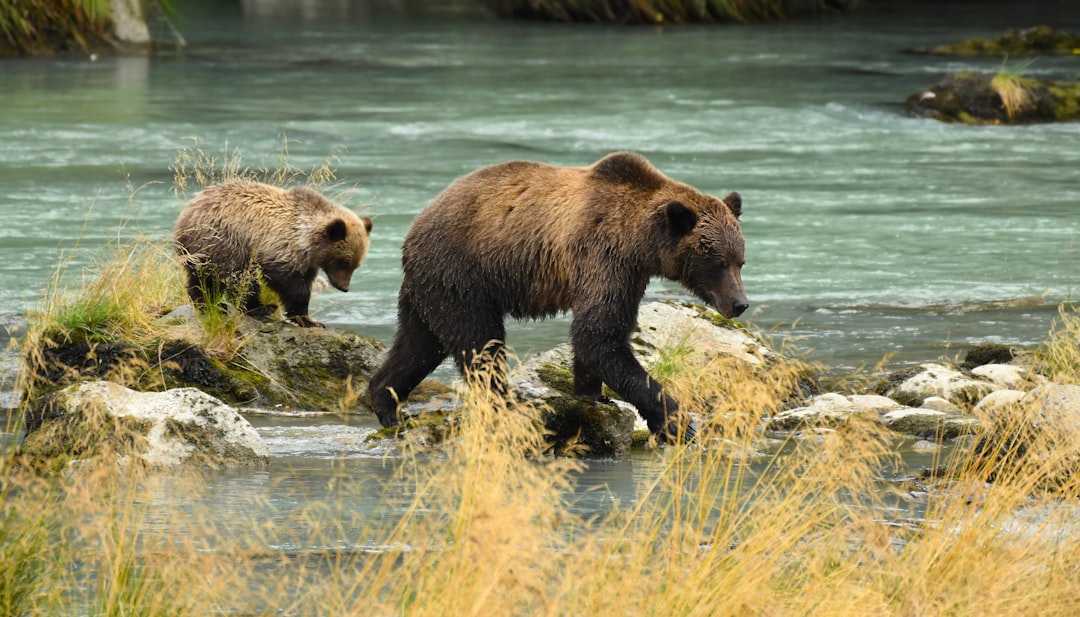
Grizzly bears, one of North America’s most iconic wildlife species, have long captured public and scientific interest due to their complex behavioral patterns and ecological significance. As the debate over their conservation status intensifies, it raises critical questions about how best to balance species protection with ecosystem management and human activity.
Historically, grizzly bears faced severe population declines due to habitat loss and excessive hunting, leading to their classification as a threatened species under the Endangered Species Act (ESA) in 1975. This protection was pivotal in curbing their decline, as it prohibited hunting and promoted habitat restoration efforts across the United States.
Fast forward to today, and the conversation has shifted. With grizzly populations experiencing a steady recovery in several regions, some stakeholders, including state governments and local communities, argue that the ESA protection measures are no longer necessary. They advocate for the delisting of grizzlies, which would restore state management authority and potentially allow regulated hunting practices to manage bear populations and mitigate human-bear conflicts.
However, this perspective is met with strong opposition from many conservationists and biologists who fear that delisting could reverse decades of progress. They argue that despite population recoveries, grizzlies remain vulnerable to habitat fragmentation, climate change, and poaching. Moreover, challenges such as maintaining genetic diversity and ensuring connectivity between isolated bear populations continue to persist, highlighting the need for sustained federal oversight.
Scientific studies play a critical role in informing this debate, providing data on population trends and ecological dynamics. Recent research points to a more complex picture of grizzly recovery. While numbers have increased in specific areas like the Greater Yellowstone Ecosystem and Northern Continental Divide, other regions still report low numbers and connectivity issues. Ensuring a healthy gene flow is essential to maintaining resilient bear populations capable of adapting to environmental changes.
Grizzlies also play a vital ecological role, contributing to biodiversity and influencing the structure and function of ecosystems. Their feeding habits help disperse seeds, maintain forest health, and regulate prey populations, processes that benefit the wider environment. Therefore, their conservation is integral not just to their survival but also to the overall health of the ecosystems they inhabit.
The grizzly dilemma also encompasses economic and social dimensions. Wildlife-related tourism is a significant economic driver for many rural communities near bear habitats. The sight of a grizzly bear in the wild is a major attraction, drawing tourists from around the globe. Ensuring stable bear populations is crucial for sustaining this industry and supporting local economies.
Public perception and values towards grizzlies are diverse. Some communities see them as integral to regional identity and are advocates for their continued protection. Others, particularly in areas experiencing frequent human-bear conflicts, may view grizzlies as a threat to safety and property. Addressing these concerns requires a balanced approach that considers the ecological, cultural, and economic impacts of conservation policies.
As policymakers, scientists, and the public engage in this robust debate, the future of grizzly bear conservation remains uncertain. The discourse serves as a prism reflecting broader questions about biodiversity conservation, human-wildlife coexistence, and adaptive management in the face of environmental change. Whether the outcome is continued ESA protection, state-led management, or a hybrid approach, the stakes are high, not only for grizzlies but for the ecosystems and human communities that share their home.
Insight Report
Grizzly Bear










Leave a Reply