

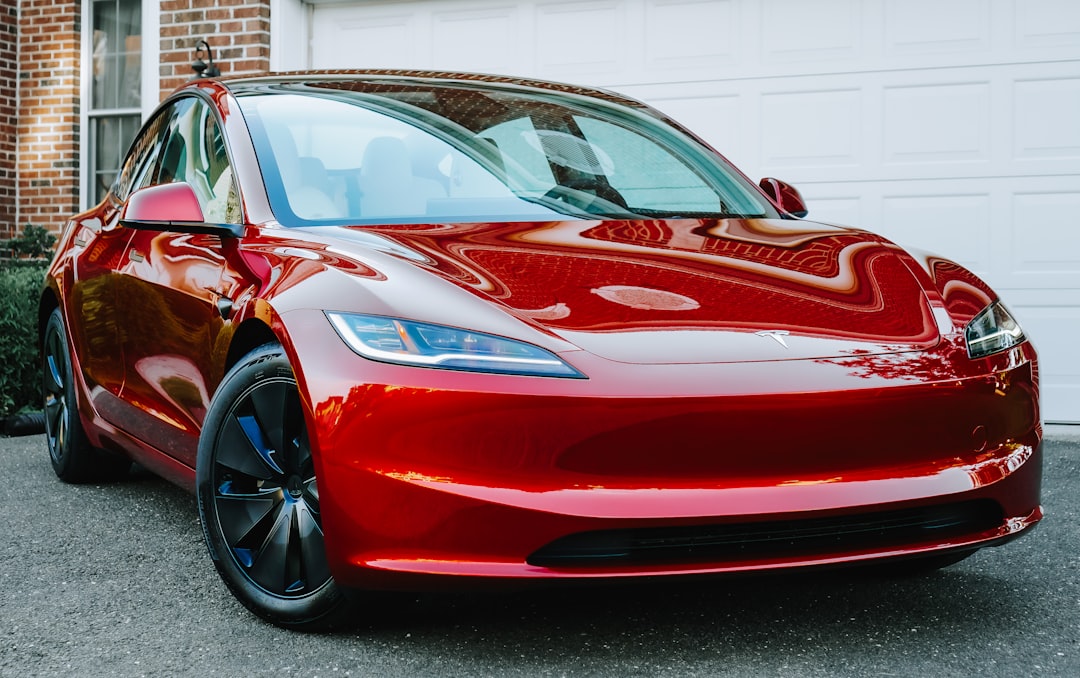
Tesla, a leader in the electric vehicle industry, has recently released concerning figures indicating that their sales for the second quarter of 2025 have dropped by over 13% compared to the same period last year. Such a notable decrease has raised eyebrows across the automotive and technology sectors, hinting at potential underlying challenges the company may be facing.
Tesla’s latest sales figures signify a dramatic decline that could pose significant challenges not only to its market position but also to its stock performance. This downturn can be attributed to multiple factors that the company is currently navigating. It includes increased competition from emerging electric vehicle (EV) manufacturers, supply chain disruptions, and potential production delays.
One of the most critical challenges Tesla faces is the aggressive competition in the EV market. Companies from traditional automakers to startups have entered the electric vehicle space, offering more options and sometimes competitive pricing. This scenario is squeezing Tesla’s market share, particularly in regions where it once dominated the EV market. For instance, the entry of models like Ford’s Mustang Mach-E and Rivian’s R1T has provided consumers with compelling alternatives to Tesla’s lineup.
Another significant factor contributing to the sales decline could be Tesla’s global supply chain and production line issues. While the company has seen remarkable success in scaling up production, global geopolitical tensions and part shortages, such as for semiconductors, have hampered consistent output. This disruption in manufacturing has inevitably affected Tesla’s ability to meet expectations and deliver vehicles to consumers swiftly.
The situation is further complicated by economic uncertainties where rising interest rates might deter potential buyers from financing new vehicles. Consumers are increasingly price-conscious, which could affect luxury and premium brands like Tesla, especially when cost-effective alternatives are on the market.
On the technology front, Tesla has been pioneering in battery technology and EV platforms. However, the race for more advanced and efficient batteries is intensely competitive, pushing Tesla to continue its heavy investment in research and development. This period of technological transition, albeit promising, also involves risks and potentially transitional sales dips.
In response to these challenges, Tesla is likely to implement strategic adaptations aimed at regaining sales momentum. Streamlining production facilities and enhancing their efficiency could be immediate actions to counteract part supply inconsistencies. By mitigating these supply issues, Tesla can maintain a steady delivery flow which is crucial for preserving consumer trust and investor confidence.
Moreover, Tesla might pursue more aggressive market penetration strategies. Expanding its product lineup to include more budget-friendly options in emerging markets could counterbalance the slipping sales in mature markets. By offering vehicles that cater to a broader demographic, Tesla can reinforce its commitment to achieving a sustainable transportation future.
Investment in innovative technologies remains a priority. Tesla’s approach of developing next-gen battery technologies, such as the much-anticipated 4680 battery cells, promises longer ranges and shorter charge times, maintaining Tesla’s competitive edge. These advancements are not only attractive to potential buyers but also essential for strengthening brand loyalty and supporting higher margins.
Additionally, Tesla could evaluate its promotional strategies, potentially increasing customer engagement through dynamic marketing campaigns or enhanced customer experience touchpoints. The incorporation of a comprehensive service network can further remove barriers for potential Tesla customers, providing assurance in terms of maintenance and reliability.
Tesla’s over 13% sales drop in Q2 2025 is an indicator of broader market pressures and internal challenges. However, Tesla’s history of resilience and innovation suggests that the company will strive to not only recover but also fortify its position within the electric vehicle industry. Through strategic planning, technological innovation, and proactive market adaptation, Tesla aims to steer through its current challenges, reestablishing its growth trajectory and continuing to lead the EV revolution.
Big Tech News
Tesla









Leave a Reply