

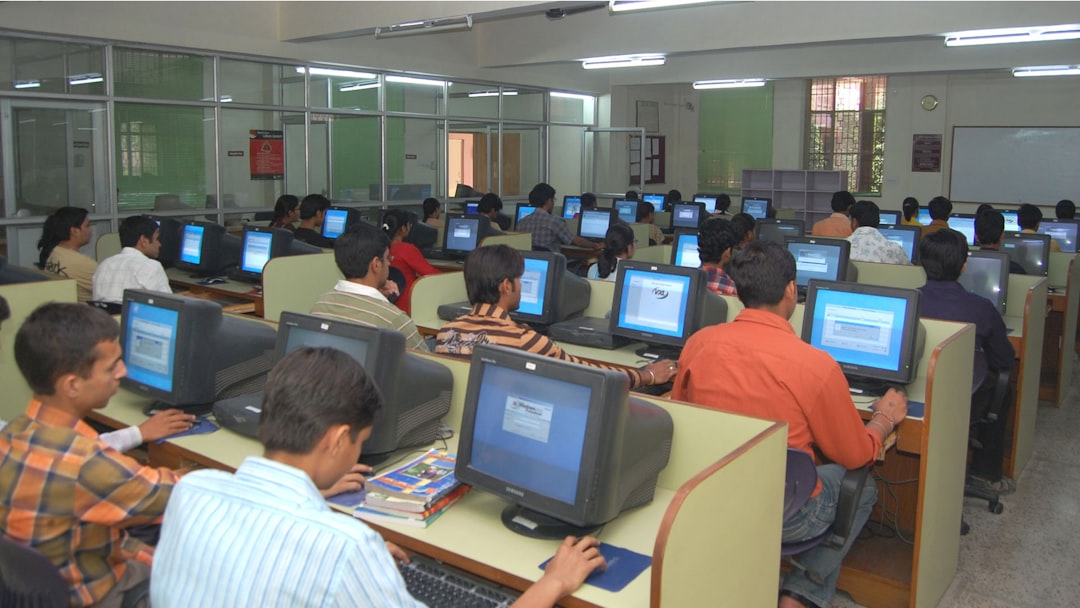
크롬북은 단순한 웹 서핑 도구에서 진화하여 강력하고 유연한 컴퓨팅 플랫폼으로 자리 잡았습니다. 이 가볍고 경제적인 노트북은 최근 몇 년간 놀라운 변화를 겪으며, 다양한 기능과 성능을 자랑하고 있습니다. ChromeOS는 간단한 웹 기반 운영 체제로 시작했지만 이제는 대폭 향상된 보안, 생산성 도구 및 여러 운영 체제를 연동할 수 있는 능력을 갖춘 포괄적인 솔루션이 되었습니다.
Chromebooks are powered by ChromeOS, a Linux-based operating system that has undergone substantial upgrades to meet modern demands. This operating system is cloud-centric, relying heavily on Google’s suite of applications and services but also supporting a vast array of third-party apps. The latest iterations of ChromeOS make substantial use of cloud computing to deliver a seamless experience that integrates local storage options and offline capabilities.
One of the most significant improvements in recent years is the inclusion of Android app support, which has exponentially increased the software availability and functionality of Chromebooks. This move by Google has effectively doubled the utility of Chromebooks, making them an attractive option not only for educational purposes but also in professional environments. The Google Play Store on Chromebooks provides access to millions of apps previously exclusive to Android devices, such as Photoshop, Microsoft Office, and more advanced gaming applications.
Another groundbreaking feature is the Linux (Beta) for Chromebooks, which allows users to run a full Linux desktop environment. This feature caters to developers and tech enthusiasts who need access to Linux-based software, expanding the potential uses of a Chromebook beyond that of a typical consumer device. By bridging the gap between web-based tools and full-fledged desktop applications, Chromebooks have moved into territories traditionally dominated by Windows and macOS devices.
The Chromebooks’ commitment to security is also noteworthy. ChromeOS is built with multiple layers of security, including automatic updates, sandboxing, and verified boot processes that ensure the system remains safe from malware threats. These features position Chromebooks as ideal solutions for those prioritizing security without sacrificing functionality or performance.
Additionally, the flexibility and adaptability of Chromebooks have made them a favorite in education. With tools such as Google Classroom and various educational applications available through the Chrome Web Store and Google Play, educators can provide a rich, interactive learning experience. Furthermore, the affordability of Chromebooks makes them accessible to a broader range of students and educational institutions, leveling the playing field in digital learning.
Overall, Chromebooks demonstrate how ChromeOS has evolved from its web-centric roots into a robust and versatile operating system that caters to both personal and professional needs. The integration of Android and Linux platforms, alongside a strong emphasis on security and affordability, online and offline capabilities, has redefined the appeal of Chromebooks. As ChromeOS continues to advance and expand its ecosystem, Chromebooks’ position in the tech landscape is sure to become even more prominent, showcasing their potential to revolutionize our interactions with technology and productivity tools.
Computing & Cloud
The Best Chromebooks Show Just How Far ChromeOS Has Come









Leave a Reply