

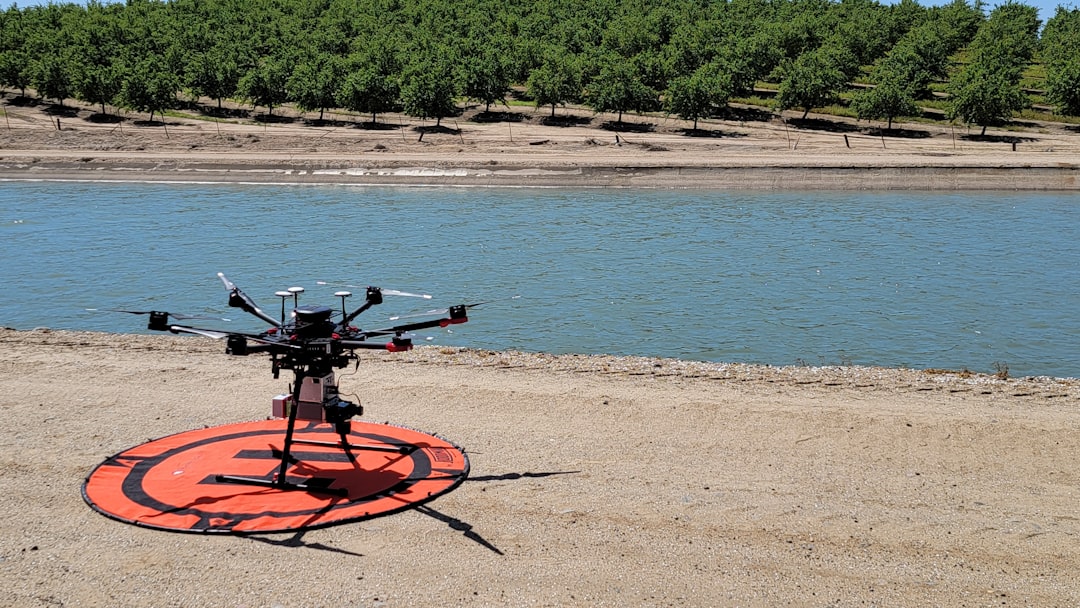
Today, drones are not just toys or military tools; they are reshaping industries across the globe. From agriculture to filmmaking, these flying devices are unlocking new horizons. Let’s delve into how drones are revolutionizing conventional practices and paving the way for futuristic advancements.
In recent years, drones have become indispensable in various sectors due to their unique capabilities. **In agriculture, drones offer farmers a bird’s-eye view of their fields**. This aerial perspective helps monitor crop health, optimize irrigation, and plan efficient harvesting. Equipped with advanced sensors and cameras, drones provide detailed analyses, ensuring that every square meter of land is used to its fullest potential. Furthermore, by automating the process and offering real-time data, they significantly reduce the time and effort traditionally required for these tasks.
In the realm of filmmaking and photography, drones have unleashed new creative possibilities. Their ability to capture sweeping aerial shots at a fraction of the cost of traditional methods has democratized the film industry. Independent filmmakers can now compete with blockbuster productions by delivering stunning visuals that would otherwise require expensive equipment. Drone technology incorporates stabilization features and precision controls, ensuring seamless footage that captures the essence of a scene.
Drones are also prominently featured in emergency response scenarios. They are instrumental in delivering supplies to inaccessible areas during natural disasters, providing first responders with critical information from above, and making rescue operations more efficient. For instance, in mountainous regions or flood-stricken areas, drones can quickly reach spots that are otherwise difficult for human or vehicular access.
Drones have also penetrated the logistics and delivery industry, promising faster and more efficient delivery systems. Companies like Amazon and UPS are already testing drone delivery services. These airborne couriers can bypass traffic jams and reach remote areas swiftly, revolutionizing the way goods are shipped and received.
Despite their broad applications, drones have sparked debates concerning privacy, safety, and regulatory challenges. **Regulating drone usage to protect privacy while promoting innovation is a complex issue**. Ensuring public safety while fostering technological advancements requires comprehensive legislation and forward-thinking policies. Policymakers are tasked with the intricate balance of safeguarding privacy without stifling the promising potentials of this technology.
Finally, the future of drones promises even more exciting developments. Researchers are exploring artificial intelligence (AI) and machine learning (ML) applications to make drones smarter. Imagine drones that can autonomously navigate complex terrains, assess situations in real-time, and make decisions without human intervention. These advancements could magnify efficiency, accuracy, and reliability across all fields of application.
In conclusion, from helping farmers increase yield and health monitoring to revolutionizing the way filmmakers bring stories to life, drones are an integral part of the modern technological landscape. As they continue to evolve, embracing AI and machine learning, drones promise an even more significant impact on our daily lives and industries. It is an exciting time, with the sky being not only the limit but also the playground for these technological marvels.
Smart Life
drones








Leave a Reply