


**In a rapidly evolving global business environment, work-life integration has become the cornerstone of success for today’s business travelers.** The traditional boundaries between work and life are fading, pushing professionals to find seamless ways to blend their professional and personal responsibilities.
In the past, the concept of a strict work-life balance entailed clear distinctions between professional duties and personal time. People aimed to finish their office hours and then disconnect completely to enjoy their personal lives. However, as technology has advanced and the demands of the corporate world have become more globalized, especially post-pandemic, this separation has proven to be inefficient and often impossible.
Work-life integration acknowledges the reality that work and personal life are deeply interconnected. For a modern business traveler, this means leveraging technology to work from anywhere, at any time—enabling professionals to be productive and engaged, regardless of their physical location.
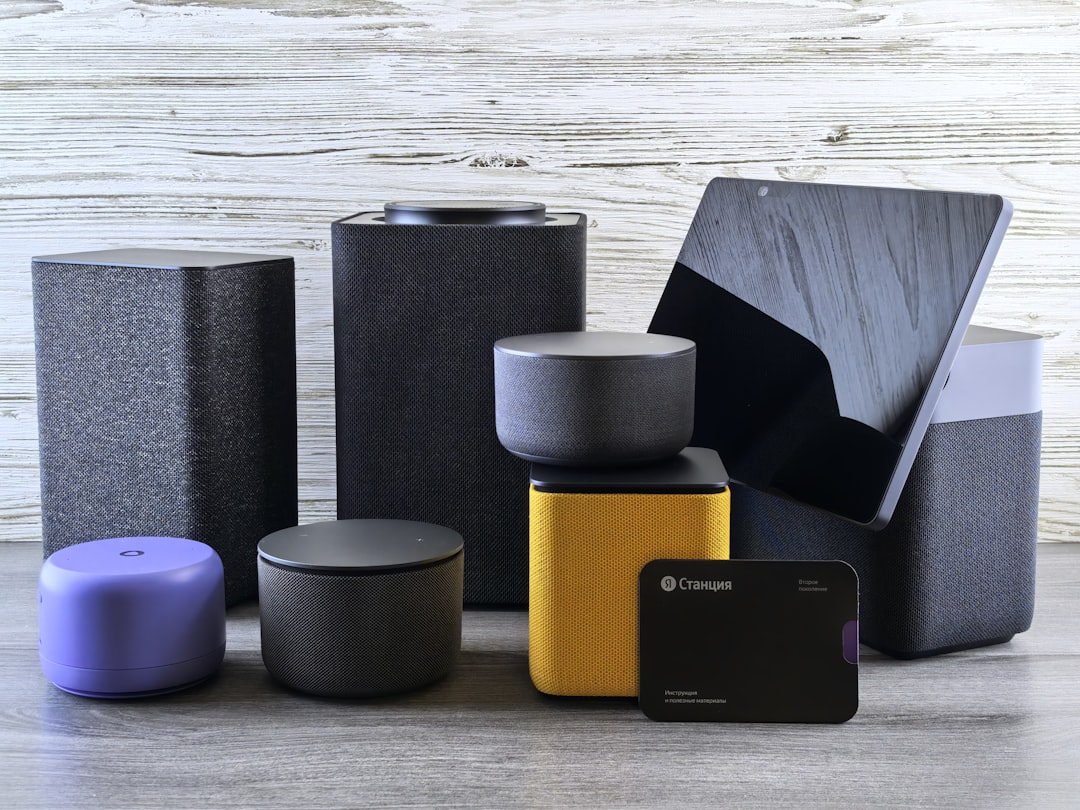
Many business travelers today rely heavily on tools such as video conferencing, collaborative platforms like Slack and Trello, and cloud services for document sharing and storage. This technological backbone not only makes working remotely feasible but also enhances flexibility, allowing professionals to fulfill personal obligations while being effective in their work roles.
Moreover, companies are increasingly recognizing the importance of supporting employees in this integration. Forward-thinking organizations offer benefits like telecommuting options, flexible schedules, and even dedicated wellness programs that focus on the holistic health of their employees. This approach not only boosts morale but also helps in retaining talent by creating a supportive work environment.
At the heart of successful work-life integration lies disciplined time management. Business travelers need to be adept at prioritizing tasks, setting boundaries, and being intentional with how they allocate their hours. Personalized schedules that mesh with individual lifestyle and energy cycles can drastically improve efficiency and satisfaction.
The integration of technology into work culture has also spawned a new corporate ethos—one where results matter more than micromanagement. Today’s organizations are focusing less on face time and more on performance and impact. This shift has immensely benefited business travelers who can now focus on delivering results without the constant pressure of being tethered to a physical office.
In tandem with technology, a progressive corporate culture is pivotal. When employees feel trusted and valued, they naturally align more with organizational goals and give their best results. Companies that invest in such a culture often find that their employees exhibit higher productivity, creativity, and engagement.
Corporate support also manifests in encouraging boundary-setting, where employees are empowered to say no to demands that encroach personal time, ensuring that follow-up doesn’t extend into family dinners or vacations unless absolutely necessary. Furthermore, workshops and training sessions focused on time management and wellness not only aid employees in managing their roles better but also signal a company’s commitment to employee well-being.
Looking ahead, the concept of work-life integration is bound to evolve further. With advancements in AI and personalized technology interfaces, individual work experiences will become increasingly tailored. Virtual reality might enable a business traveler in Paris to attend a meeting in New York in a fully immersive environment, eliminating current burdens such as extensive travel and jet lag.
Moreover, as the freelance and gig economy grows, more individuals will embrace opportunities that prioritize their overall well-being. This shift will continue to reshape the contours of work-life integration, demanding that companies remain agile and responsive to these new dynamics.
In conclusion, for the modern business traveler, work-life integration is no longer just an aspiration but a necessity. To thrive in today’s interconnected world, both professionals and organizations must adopt flexible and innovative approaches to blend life’s demands with work requirements seamlessly. Ultimately, the key lies in leveraging technology, fostering a supportive corporate culture, and empowering individuals for strategic and fulfilling engagement with their work.
Smart Life
Work-Life Integration







Leave a Reply