

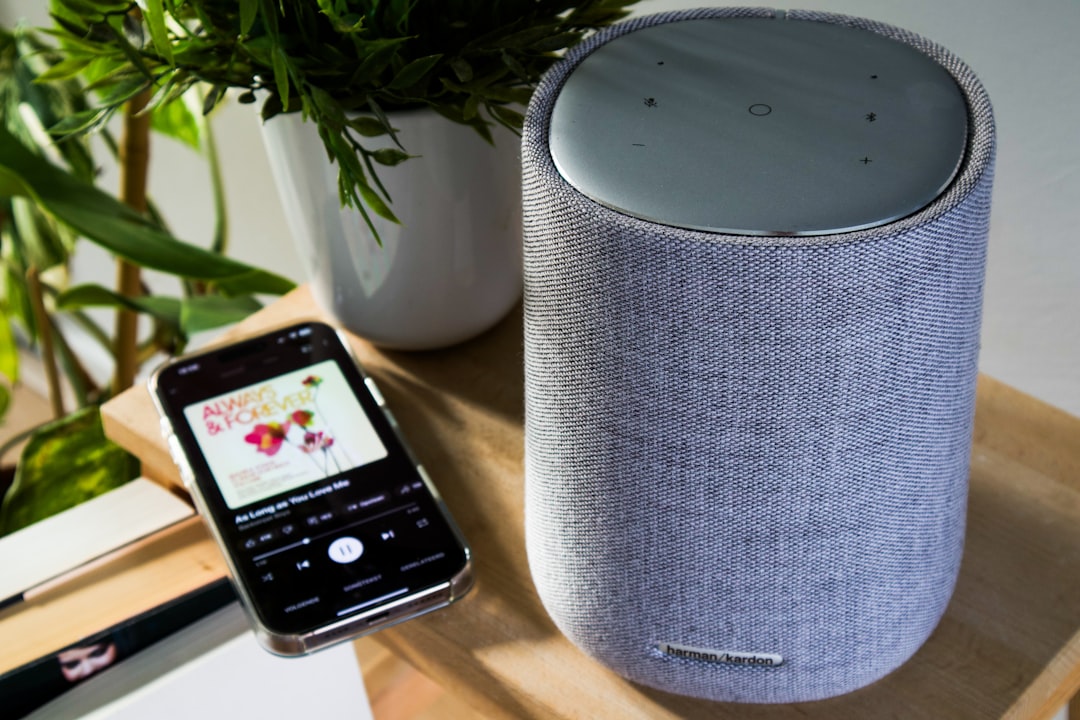
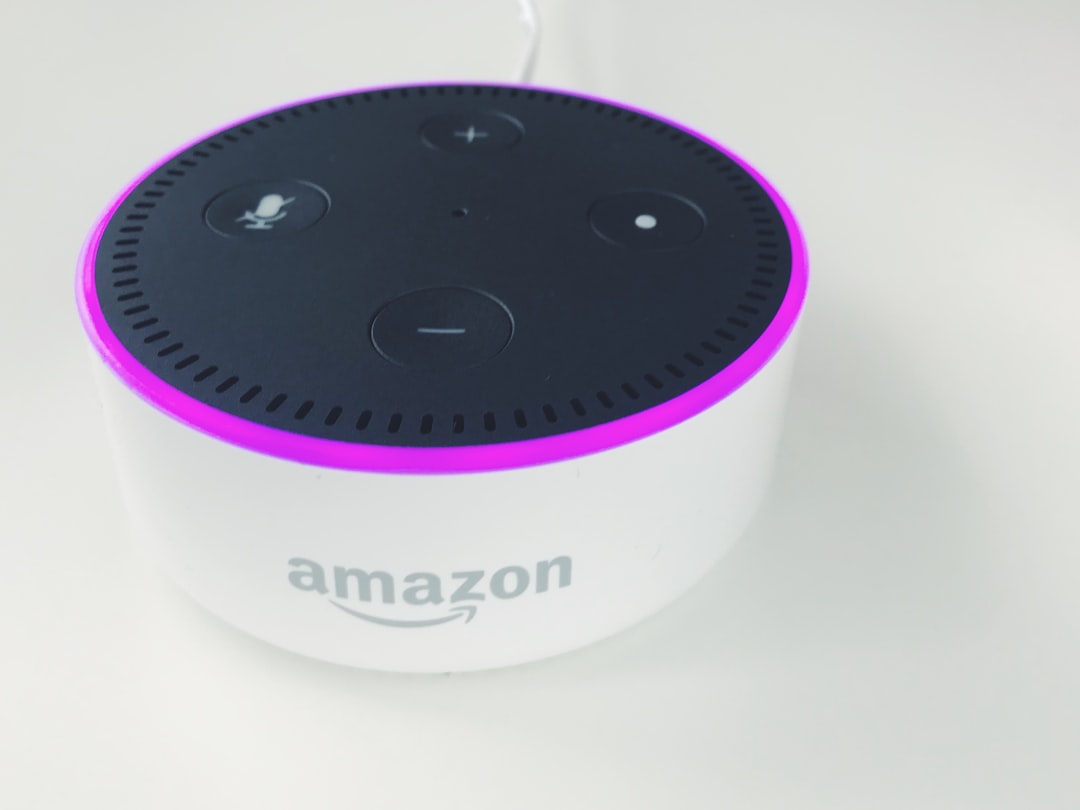
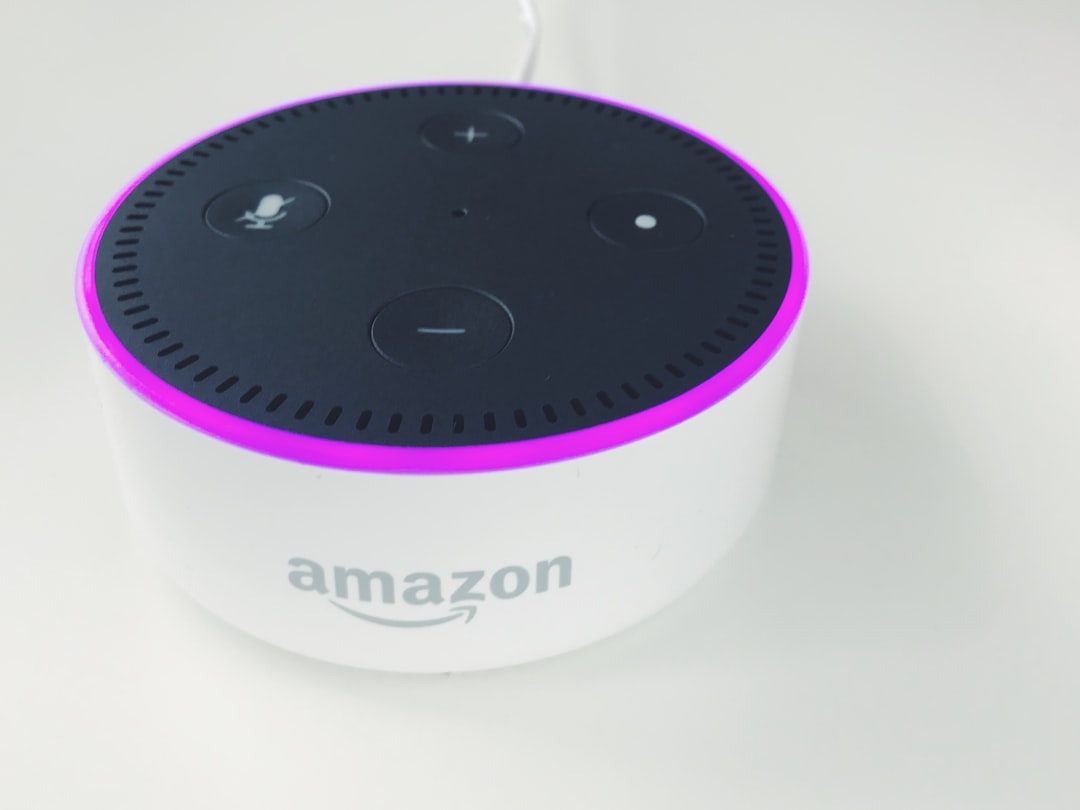
**Imagine a world where your voice is your most powerful tool to access information and control your environment.** This is not a futuristic dream; it’s the present reality created by smart speakers. From homes to offices, these devices have seamlessly integrated into our daily routines, reshaping the way we interact with technology and access information instantaneously.
The revolution began quietly yet swiftly. Companies like Amazon, Google, and Apple have expanded their virtual assistant capabilities through devices such as Alexa, Google Assistant, and Siri. Originally, their core functionality revolved around simple tasks—playing music, setting timers, and providing weather updates. However, users quickly found themselves relying on these assistants for increasingly complex interactions. The convenience of multitasking with voice commands is undeniable; whether cooking in the kitchen or multitasking at work, hands-free systems provide an efficiency that is hard to replicate with traditional computing interfaces.
Consumer adoption of smart speakers has been nothing short of astounding. Market research indicates that there are now over 200 million smart speakers in use globally. The appeal transcends age groups and demographics, showing that whether in a bustling urban apartment or a cozy suburban home, intelligent assistants have found a place.
Every query made to a smart speaker is a learning opportunity for its algorithms, creating a tailored experience for its user. This learning ability is a double-edged sword. On one hand, it ensures that the system becomes more adept over time, providing answers proactively before you’ve even asked. On the other, it raises significant concerns about privacy and data security. Companies have reassured customers that data collection is primarily anonymous and solely intended to enhance user experience. Yet, incidents involving accidental recordings have fueled ongoing debates about the balance between convenience and privacy.
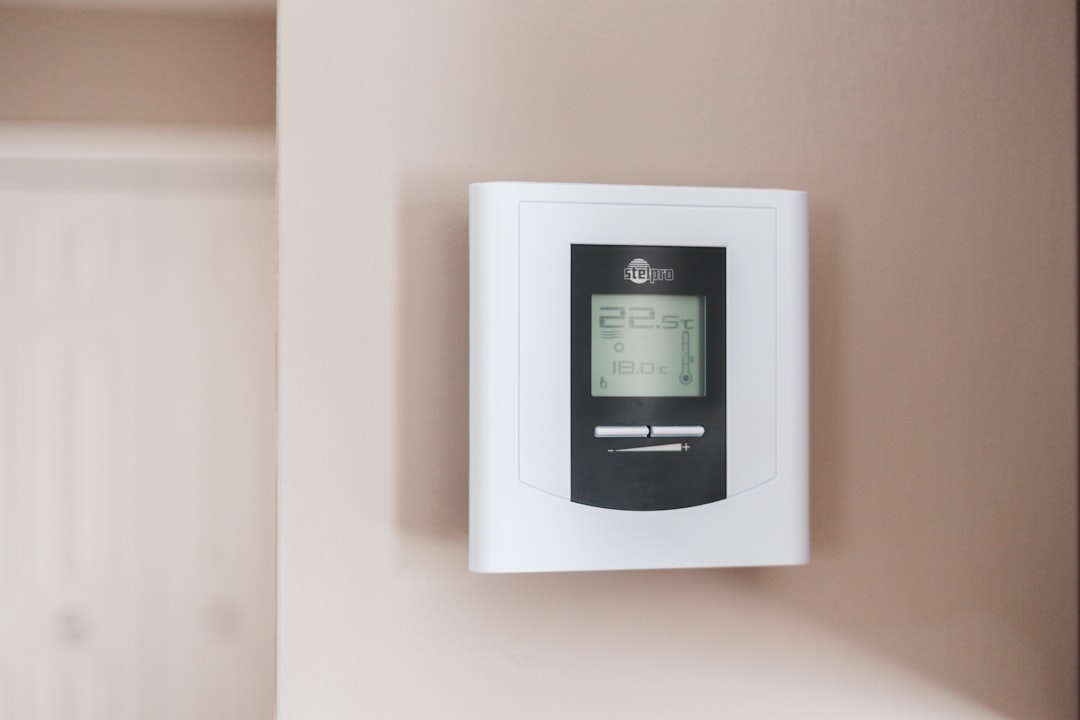
Beyond personalization, smart speakers are transforming accessibility for many people. For those with physical limitations, using voice to control smart home devices (lights, thermostats, locks, etc.) offers profound benefits. For individuals seeking companionship, it’s not uncommon to hear of users conversing regularly with their intelligent assistants to fill solitude with interaction and learning.
Looking ahead, the horizon of possibilities seems limitless. Smart speakers are not just confined to singular interactions anymore but are becoming nodes in a larger network of smart devices, otherwise known as the Internet of Things (IoT). As our homes become increasingly ‘smart,’ these speakers will function as control hubs, coordinating various devices seamlessly.
Tech companies are investing hefty resources into improving the cognition and comprehension abilities of smart speakers, working towards not just reactive but predictive and contextually aware systems. Future iterations might feature far more nuanced conversational abilities, capable of understanding complex multi-step requests.
The business sector is also paying attention. An office environment where meetings are scheduled, data is retrieved, and communication is facilitated by voice interaction is no longer an oddity. For industries, the potential for increased efficiency and reduced error margins through voice commands is significant.
Despite the milestones achieved, there are hurdles remaining. Greater natural language processing (NLP) accuracy, accent variability handling, and even cross-lingual understanding are challenges that researchers and developers are fervently working to overcome. It’s a testament to the profound enthusiasm and belief in the potential of voice-activated interfaces to reshape human-computer interaction fundamentally.
**In summary, the smart speaker is not just a tool but a companion in modern life, forever altering our approach to the digital world.** An era where technology listens and responds as a participant rather than a mere tool heralds a fresh paradigm in our relationship with machines. As our reliance on voice-activated technology grows, it poses significant opportunities and challenges that we are only beginning to understand.
Smart Life
The Smart Speakers We Cant Stop Talking To







Leave a Reply